
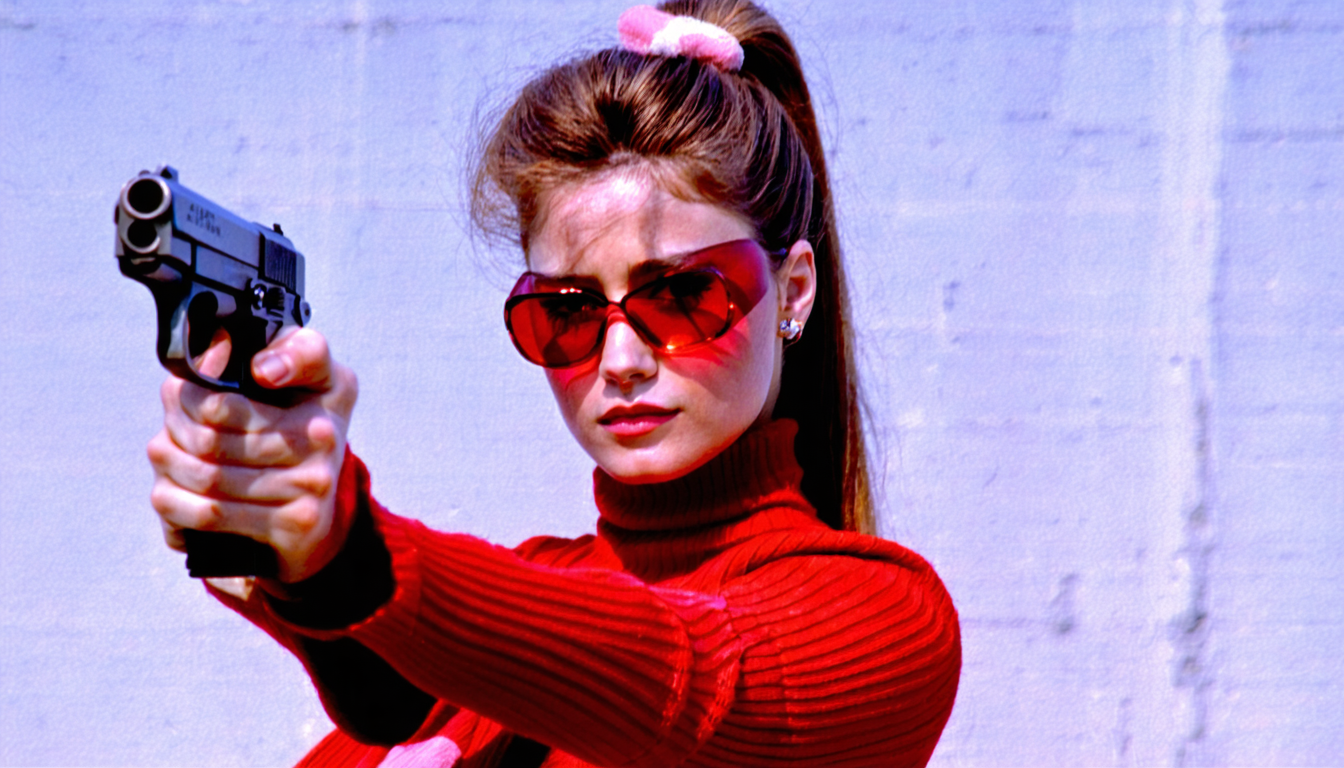

Winona Ryder emerged as an unmistakable figure in late-’80s cinema, carrying not just a portfolio of striking roles, but also an aesthetic that continues to influence fashion and pop culture. This era laid the foundation for her enduring legacy—one rooted in cinematic quirkiness, gothic poise, and a rebellious streak.
The Formative Roles That Defined Her
Her film debut in Lucas (1986) marked a modest entry into Hollywood, yet it quickly led to bigger opportunities (en.wikipedia.org). 1987’s Square Dance garnered her critical attention, with outlets like the Los Angeles Times calling it “a remarkable debut” (en.wikipedia.org). However, it was her 1988 collaboration with Tim Burton in Beetlejuice that truly defined her—and the decade. Portraying goth teenager Lydia Deetz, she became both the face of misfit cool and a lightning rod of teenage angst (en.wikipedia.org). That same year, her move into dark comedy with Heathers established her as a teen icon who could shift effortlessly from the quirky to the caustic (denofgeek.com).
Style in Sync with Spirit
Even then, Winona’s off-screen and on-screen aesthetics mirrored each other. At red carpets, she leaned into androgynous goth—all-black ensembles, slipped-in chokers, oversized blazers—it was a grunge sensibility before grunge officially hit (vogue.co.uk). One notable moment: in April 1989, she appeared at a tribute event in a satin slip dress and oversized blazer—an outfit that looks timeless even today (thethings.com).
A Quote That Echoes Her Aura
“She was the perfect embodiment of teenage angst… beautiful but unconventional.”
This encapsulates how performers and audiences saw her—even then, she occupied a space that was both compelling and off-center (denofgeek.com).
From Screen to Wardrobe: Winona’s Aesthetic Influence
The Goth-Grunge Fusion
Ryder’s aesthetic combined goth tendencies with grunge nonchalance—leather jackets, chokers, slip dresses, and vintage band tees were her signatures (vogue.co.uk). She made these pieces feel authentic rather than trend-chasing, a quality often echoed in how fashion commentators describe her influence as timelessly authentic (mic.com).
Early Trendsetting Moments
- A satin slip dress paired with an oversized blazer at a 1989 event.
- All-black premiere looks: reminiscent of a twin aesthetic in outfit and silhouette (thethings.com).
- Rare pops of elegance, like feminine off-the-shoulder white dresses with kitten heels—as seen at the Great Balls of Fire! premiere (June 1989) (thethings.com).
These moments showcased versatility—she could be haunting and edgy or subtly refined, without ever departing from her core persona.
Contextualizing Winona’s 80s Legacy Today
Authenticity Over Image
Her reluctance to chase the mainstream, combined with a consistent aesthetic vision, gave her a rare kind of cinematic and cultural credibility. Her fashion felt instinctive, not self-conscious—a factor that resonates with modern audiences fatigued by overt branding (mic.com).
Ridge Before the Trend Curve
Ryder was doing black slip dresses, chokers, and grunge minimalism before the term “grunge” became fashion’s watchword. As one commentator noted, she made normcore feel artful—not bland (mic.com).
Conclusion: Ryder’s ‘80s as a Blueprint
Winona Ryder’s late-’80s era is much more than a footnote in celebrity trivia—it’s a blueprint of how style and substance can coexist, and how authenticity resonates long after trends fade. Her early roles in Beetlejuice and Heathers paired with a clear personal aesthetic redirected fashion and film sensibilities—suggesting that a genuine artistic identity can function as both a career cornerstone and a cultural compass.
Her presence from the ‘80s onward reminds us that being overnight iconic often starts with quietly owning who you are—on and off screen.
FAQ
No FAQ section included as per instructions.








Leave a comment