
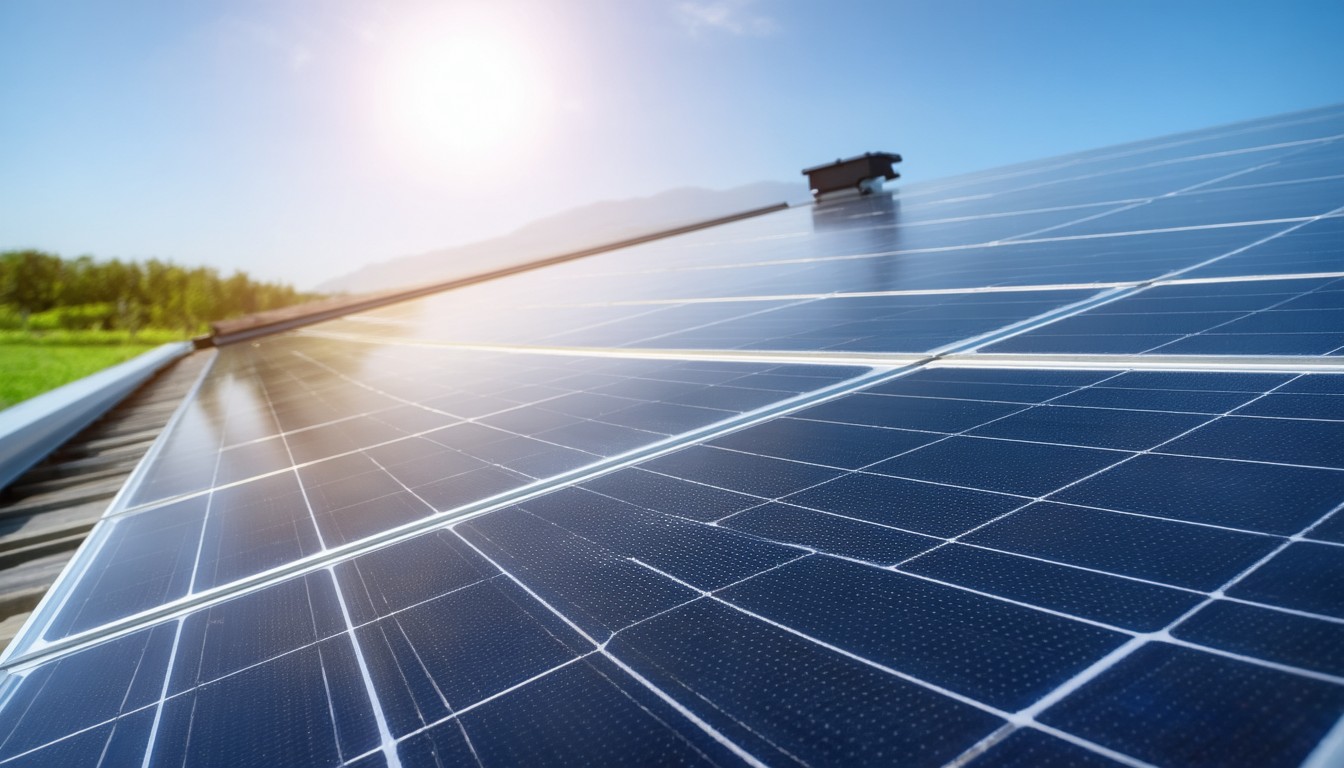

As solar energy adoption accelerates worldwide, maximizing every kilowatt of power generated becomes increasingly important for homeowners, businesses, and utilities alike. Though modern photovoltaic panels are engineered for durability, their performance can degrade over time due to accumulating dust, pollen, bird droppings, and airborne pollutants. Regular solar panel cleaning, therefore, is not simply a matter of aesthetics—it’s a cornerstone of efficiency and return on investment.
How Dirty Panels Impact Solar Efficiency
Solar panels rely on unobstructed sunlight to generate electricity efficiently. Even minor obstructions on their surfaces can lead to measurable dips in energy output. Studies have shown that dirty solar panels can experience efficiency losses ranging from 5% up to more than 25% in particularly dusty environments.
One real-world example illustrates this well: after a dust storm in California’s Central Valley, many solar arrays saw significant drops in output. Controlled cleaning restored most installations to baseline efficiency almost immediately. In urban settings, airborne pollution and pollen are often the main culprits, while rural or agricultural regions contend with soil and organic matter.
“Consistent maintenance, including regular cleaning, can extend the useful life of photovoltaic modules and optimize their yield—making it a recommended practice not only for aesthetics but for financial performance.”
— Dr. Silvia Hernandez, Renewable Energy Systems Researcher
Preventing Long-Term Damage Beyond Productivity Loss
While short-term dirt primarily affects energy yield, long-term neglect can cause more serious problems. Grime buildup and organic deposits can trigger hot spots—localized areas that overheat, potentially causing permanent module damage. Bird droppings, besides blocking sunlight, contain corrosive substances that can degrade the panel’s protective layers if left untreated.
Furthermore, ongoing soiling increases the risk of electrical insulation breakdown and micro-cracks, gradually shortening the lifespan of an installation. This degradation is especially concerning for utility-scale solar farms or commercial rooftop arrays, where small performance losses translate into substantial annual revenue impacts.
Common Methods for Solar Panel Cleaning
Solar panel owners have several methods at their disposal, each with its own pros and cons. The choice often depends on factors such as system size, panel tilt, local weather conditions, and cost considerations.
Manual Cleaning
Manual washing using water and a non-abrasive brush is the standard option for small-scale installations. For light soiling, a gentle rinse may suffice, but stubborn grime may demand a soft, soapy solution. However, harsh detergents or abrasive materials should be avoided, as they risk damaging the panel’s anti-reflective coating.
Automated Cleaning Systems
Large solar farms and utility installations increasingly employ automated cleaning systems—robots or fixed sprayers—that minimize water use and labor costs. These technologies are particularly popular in dry, arid regions where water is scarce and dust accumulation is a recurring challenge.
Professional Cleaning Services
In regions prone to pollutants, or where safety is a concern (such as steep or high rooftops), hiring professional solar cleaning services ensures optimal results and reduces risk. Pros bring specialized equipment and know-how, but the costs can add up over time, especially for residential-scale systems.
How Often Should You Clean Solar Panels?
The ideal frequency for solar panel cleaning is context-dependent. In dusty or pollen-heavy climates, quarterly cleaning may be justified, while biannual or annual intervals may suffice elsewhere. Many industry experts suggest a visual inspection after major weather events or seasonal transitions to assess whether cleaning is needed. For locations with regular rainfall, nature might take care of most surface grime, but studies confirm that rain alone does not remove all stubborn contaminants.
Do-It-Yourself vs. Professional Cleaning: Pros and Cons
DIY Cleaning
- Cost savings: Only minimal equipment is required
- Flexibility: Can respond quickly to visible soiling
- Risks: Safety hazards on sloped roofs; potential for accidental panel damage if incorrect materials are used
Professional Services
- Expertise: Trained to spot panel defects and safety issues
- Efficiency: Use of advanced equipment ensures even cleaning
- Cost: Ongoing expense, though it may be offset by restored energy yield
Decision-making often comes down to personal comfort with heights, time constraints, and the potential trade-off between immediate costs and long-term savings.
Sustainable and Safe Cleaning Practices
Conservation-minded solar users should consider several best practices:
- Clean during early morning or late evening to avoid thermal shock from rapid cooling.
- Use deionized or distilled water to minimize mineral residue (water spots).
- Avoid strong detergents and abrasive tools.
- Monitor panels for physical defects while cleaning—issues like cracks or delamination may require professional repair.
Some modern panels feature hydrophobic or “self-cleaning” coatings, reducing adherence of dust and pollutants. While these coatings extend cleaning intervals, they do not eliminate the need for periodic manual intervention—particularly after significant soiling events.
When Cleaning is Not Enough: Monitoring and Maintenance
Beyond cleanliness, regular monitoring of system performance is a crucial layer of preventative maintenance. Many residential and commercial solar owners use software tools to track daily output. Sudden power drops often indicate surface soiling—as well as potential technical malfunctions or shading from plant overgrowth.
For larger facilities, incorporating drone inspections and thermal imaging can quickly identify and localize underperforming modules, optimizing both cleaning schedules and repair priorities.
Conclusion: Cleaning as a Low-Tech Lever for High Returns
Solar panel cleaning may sound mundane, but its impact on operational efficiency and system longevity is substantial. Routine cleaning, especially when paired with performance monitoring, is one of the simplest ways to protect your investment and ensure maximum clean energy output year-round. Whether tilt-mounted on a suburban home or spread across a sun-baked utility farm, clear panels translate directly to more power—and a cleaner future.
FAQs
How often should solar panels be cleaned for best performance?
The optimal cleaning frequency depends on local conditions; in dusty or polluted areas, quarterly cleaning is common, while in milder climates, once or twice a year may be enough. Always inspect panels after notable weather events or if you notice declining system output.
Is rainwater enough to keep solar panels clean?
Rain can wash away loose dirt, but it often leaves behind more stubborn grime or mineral spots. A periodic manual or professional cleaning is typically needed to maintain peak panel efficiency.
Can I clean solar panels myself or should I hire a professional?
Homeowners can clean panels themselves if they can safely access them and use proper materials. However, for high roofs or large installations, professional services provide added safety and effectiveness.
What risks are associated with neglecting solar panel cleaning?
Ignoring solar panel cleaning can lead to reduced energy production and, over time, physical damage such as hot spots or corrosion. This can shorten the lifespan of the installation and decrease return on investment.
Are there environmentally friendly ways to clean solar panels?
Yes. Use deionized or distilled water and avoid chemical detergents or abrasive tools. Cleaning during cooler parts of the day also prevents thermal stress on the panels.







Leave a comment