
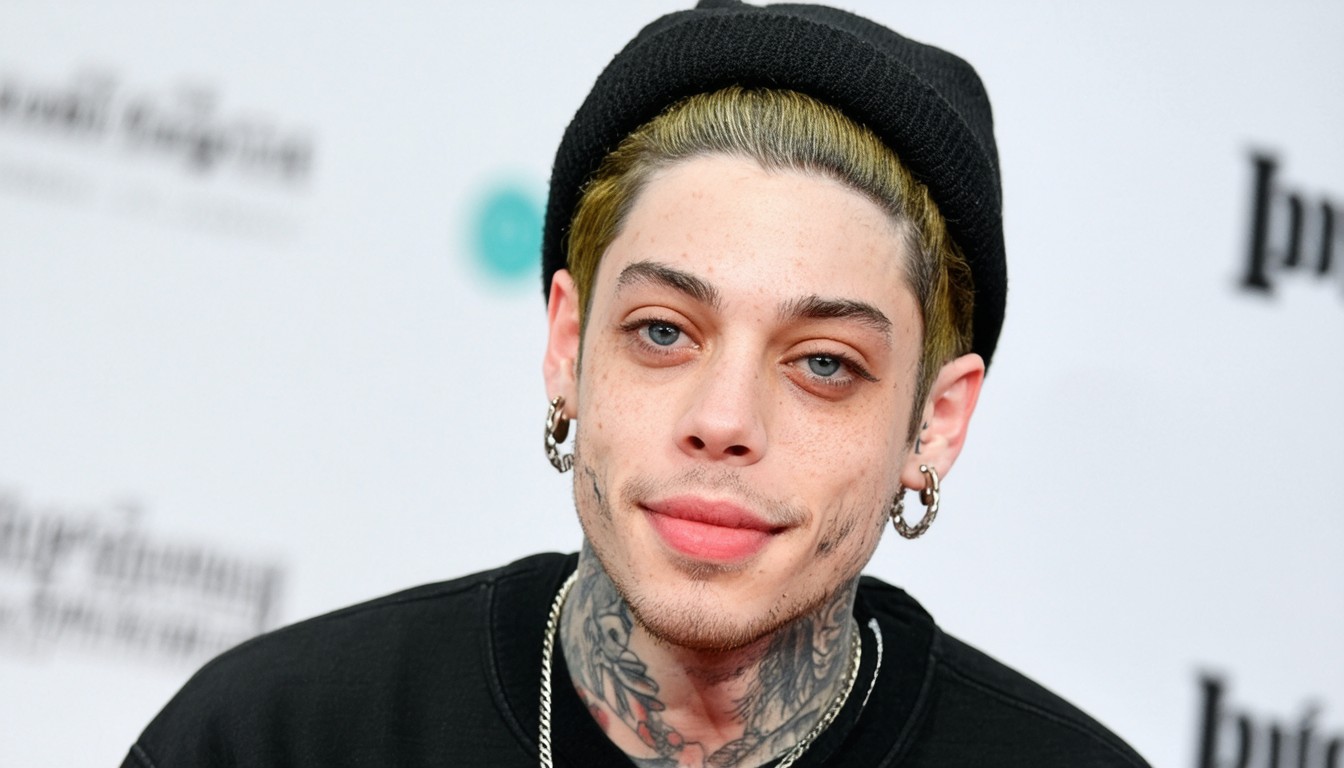

Pete Davidson’s tattoos have been as much a part of his public image as his offbeat humor and high-profile relationships. But the comic and actor, known for his heavily inked arms and torso, has recently begun the extensive process of tattoo removal—a decision that has sparked conversations about celebrity identity, career transformation, and the evolution of personal style. Behind the headlines lies a story that resonates well beyond Hollywood.
The Tattooed Comedian: From SNL to Cultural Icon
Before exploring why Pete Davidson is removing his tattoos, it’s worth noting how his body art became integral to his persona. Davidson, who rose to fame on “Saturday Night Live,” often used his visible ink as a conversational anchor. His tattoos commemorated everything from family members to pop culture references and even past relationships. Fans quickly associated the star’s look with authenticity and candor.
Yet, as Davidson’s career moved from live comedy to film and TV, the colorful mosaic became more of a logistical hurdle than a badge of individuality.
“Tattoos tell stories; sometimes, those stories evolve, and so do we,” observes Dr. David Dragoo, a cosmetic surgery expert who has treated many public figures. “For celebrities, the line between self-expression and job necessity is especially thin.”
Why Is Pete Davidson Removing His Ink?
Professional Demands and Hollywood’s Practical Challenges
The primary reason Davidson cited for his tattoo removal is professional: makeup artists spent hours each day covering his numerous tattoos on film and TV sets. With roles in movies like “The King of Staten Island” and future projects lined up, Davidson faced the reality that his distinctive look was time-consuming for production teams and sometimes limited his acting opportunities.
This practical concern is common among actors. Tattoos, particularly large or highly visible ones, can conflict with the requirements of period pieces, mainstream dramas, or standardized character profiles. For Davidson, streamlining the process reserved more time for actual performance and less for lengthy makeup sessions.
A Personal Shift in Identity
Beyond the workplace, Davidson described feeling that some tattoos represented a time—or a mindset—he’d outgrown. Like many, the now 30-year-old finds his tastes and priorities have shifted with maturity. The removal process, which he has discussed candidly in interviews, reflects a broader journey towards self-redefinition.
Many individuals experience “tattoo regret” as they age, with studies suggesting that the majority of people seeking laser tattoo removal do so because the body art no longer aligns with their current identity or lifestyle.
Health, Healing, and the Physical Toll
Laser tattoo removal is no quick fix—it’s an involved procedure that requires multiple sessions and can take years to fully erase extensive body art. Davidson has shared images of his sessions, underscoring the physical discomfort and patience involved. Experts caution that side effects like skin irritation or discoloration are possible, though modern lasers are increasingly precise.
For Davidson, undertaking this process—despite the pain and inconvenience—signals the weight of his commitment to change.
The Broader Trend: Celebrities and Tattoo Removal
Davidson is hardly alone in rethinking public ink. Other stars like Angelina Jolie, Megan Fox, and Mark Wahlberg have also opted for tattoo removal, whether due to changing personal views, career trajectories, or evolving industry standards. The global tattoo removal market has expanded significantly in the past decade, fueled in part by such high-visibility cases.
Hollywood’s Evolving Standards
Not long ago, tattoos were seen as marks of rebellion or countercultural status. Today, while body art is more mainstream, Hollywood’s cosmetic demands remain stringent. Actors are expected to “disappear” into a role; for some, this means less visible ink.
Increased access to advanced tattoo removal technologies—like Q-switched or picosecond lasers—means larger and more complex designs can be more effectively erased, further influencing industry dynamics.
Real-World Impact: Cultural Reflections and Societal Shifts
The ripple effect is notable beyond celebrity circles. As major personalities make tattoo removal public, the idea becomes more normalized. Clinics across the U.S. report rising inquiries, not just from aspiring actors but also from professionals in fields such as education and law enforcement, where visible tattoos may be frowned upon.
Laser Tattoo Removal: Process, Risks, and Realities
The Laser Process Explained
Tattoo removal typically relies on laser technology to break down ink particles in the skin, which are then naturally eliminated by the body. Black ink responds best, while colored inks like green and blue can prove more stubborn. Most removals require numerous sessions—sometimes 10 or more—spaced weeks apart.
Risks, Costs, and Outcomes
While technology has come far, risks such as scarring, hyperpigmentation, or incomplete removal persist. Costs add up quickly, with total expenses often amounting to several thousand dollars for full-sleeve removals like Davidson’s.
“Laser tattoo removal is a commitment—both financially and in terms of discomfort,” says Jonathan Weinstock, a certified laser technician. “But for many, the end result is a clean slate and new opportunities.”
The Emotional Side of Removal
For many, including Davidson, tattoo removal carries an emotional weight as well as a physical one. Erasing visible reminders of the past can feel cathartic but also bittersweet, prompting self-reflection and growth.
Media, Fans, and the Public Reaction
Online Discourse and Fandom Perspectives
The public response to Davidson’s tattoo removal has run the gamut from supportive to disappointed. Some fans mourn the loss of his distinct look, while others applaud his candor and willingness to embrace change.
Social Media’s Role
Platforms like Twitter and Instagram have played a central role in amplifying the debate, with photos of fading ink and session updates generating both curiosity and dialogue about personal branding, transformation, and Hollywood’s changing face.
Conclusion: The Story Beyond Skin
Pete Davidson’s tattoo removal isn’t just about aesthetics or career convenience—it’s reflective of personal evolution, professional adaptation, and shifting cultural norms. His openness about the process has demystified a once-taboo procedure, shining a spotlight on issues of identity, reinvention, and the complex relationship between body art and public life. As Davidson sheds his ink, he embodies a broader lesson: visible change can signal deeper growth, both for celebrities and for those who follow their lead.
FAQs
Why did Pete Davidson decide to remove his tattoos?
Pete Davidson cited professional reasons, mainly the time and effort spent covering his tattoos during film shoots. He also mentioned that many tattoos no longer reflected who he is today, signaling a personal transformation.
Is tattoo removal common among celebrities?
Many celebrities have opted for tattoo removal as their careers evolve or their personal preferences change. The growing acceptance of the procedure reflects broader trends in both the entertainment industry and society.
How long does tattoo removal take?
Tattoo removal typically requires multiple laser sessions spread over several months or even years, depending on the size, color, and age of the tattoos. Complete removal for large or complex designs—like full sleeves—can be especially lengthy.
Is laser tattoo removal painful?
Most people experience some level of discomfort—often described as a snapping or stinging sensation. Topical numbing creams may help, but the process is generally considered more painful than getting the original tattoo.
What are the risks or side effects of tattoo removal?
Possible side effects include temporary skin irritation, blistering, changes in pigmentation, or, in rare cases, scarring. Advances in laser technology, however, have improved outcomes and reduced risk for most patients.







Leave a comment