
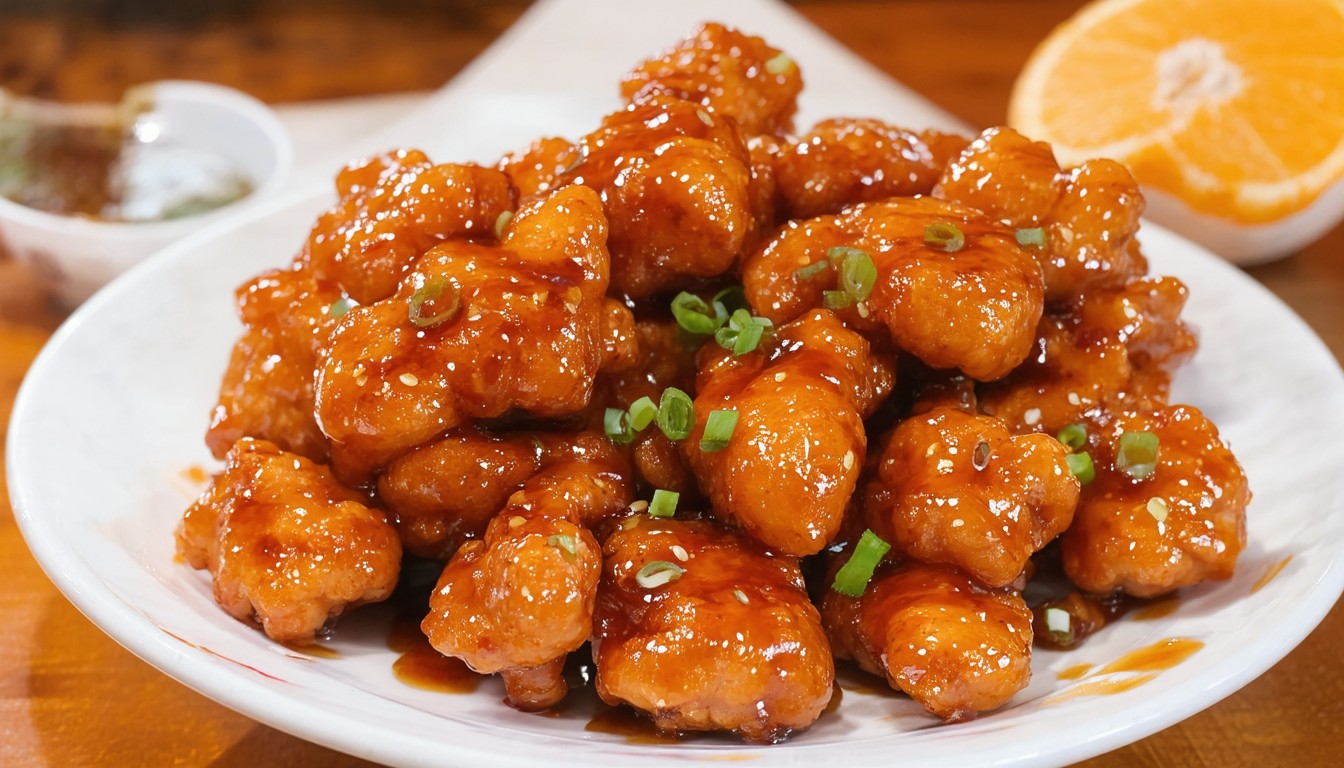

Panda Express’s Hot Orange Chicken has garnered a cult following among American fast-casual diners. The chain’s iconic dish—crispy fried chicken tossed in a glossy, citrusy sauce laced with heat—has repeatedly been described as “irresistible” and “addictively balanced,” representing a broader trend of Asian-inspired flavors dominating quick-service restaurant menus. But what makes this dish such a standout, and how can home cooks hope to replicate its signature blend of sweet, spicy, and tangy notes?
The Legacy of Orange Chicken at Panda Express
Few menu items have had the cultural and business impact of Panda Express’s Orange Chicken. Introduced in 1987, the original recipe became the backbone of the brand, securing a loyal customer base with its crispy coating and sweet, sticky sauce. In recent years, the chain responded to evolving consumer palates by offering a “hot” (spicier) version, elevating the orange chicken with chili heat—a nod to rising American demand for foods with bold, complex flavors.
Consumer data suggests that spicy menu items have seen double-digit growth in popularity, especially among millennials and Gen Z. The success of Panda Express’s Hot Orange Chicken at both shopping mall food courts and standalone restaurants reflects this shift. As food journalist Andrea Nguyen summarizes:
“Panda Express’s orange chicken—especially the spicy variant—does more than satisfy cravings. It introduces millions to a fusion of flavors that bridges comfort and adventure, familiarity and surprise.”
Beyond mere trend, the dish’s enduring appeal reveals a carefully balanced culinary formula, where sweetness, acidity, heat, and umami combine for maximum impact.
The Anatomy of Flavor: What Makes Hot Orange Chicken Unique
Understanding why Hot Orange Chicken is so crave-worthy starts with its flavor profile. The recipe’s core is a blend of classic Chinese-American technique and modern ingredient creativity.
Key Flavor Components
-
Crispy, Lightly Breaded Chicken
Bite-sized chicken pieces are marinated, dredged in a thin batter, and deep-fried until golden—creating a crunchy shell that contrasts with tender meat inside. -
Tangy Orange Sauce
The sauce combines fresh orange juice and zest, soy sauce, rice vinegar, and sugar, creating a bright, aromatic sweetness balanced against saltiness and sharpness. -
Chili Pepper Heat
Adding dried red chili flakes, sriracha, or chili oil to the sauce delivers a noticeable but not overpowering heat, amplifying the classic recipe’s vibrancy. -
Aromatic Garlic and Ginger
These base aromatics offer warmth and depth, ensuring the sauce doesn’t veer too sweet or simplistic.
This combination, at its best, achieves a “sticky glaze” effect—coating each crispy morsel in a lacquered sheen that’s both visually appealing and deeply flavorful.
Panda Express vs. Homemade: Key Differences
While the taste of homemade versions can come close, certain aspects are hard to replicate exactly:
- Commercial kitchens use deep fryers set to precise temperatures, ensuring even crispness.
- Proprietary sauce blends may include flavor enhancers or modified starches for perfect cling and sheen.
- High-heat wok cooking imparts subtle smokiness (the “wok hei” effect) that’s difficult to reproduce at home.
However, with a well-chosen set of ingredients and the right technique, home cooks can produce a vibrant, satisfying Hot Orange Chicken inspired by the original.
Hot Orange Chicken Recipe: Panda Express–Style at Home
For those eager to try their hand at this crave-worthy dish, the following recipe incorporates the essential elements that define Panda Express’s Hot Orange Chicken.
Ingredients
For the chicken:
- 1 lb boneless, skinless chicken thighs, cut into bite-sized pieces
- 2 egg whites
- ½ cup cornstarch
- ¼ cup all-purpose flour
- 1 tsp salt
- ½ tsp ground white pepper
- Vegetable oil (for frying)
For the sauce:
- ½ cup fresh orange juice
- Zest of one orange
- 3 tbsp soy sauce
- 2 tbsp rice vinegar
- ¼ cup sugar
- 2 tsp cornstarch (for slurry)
- 2 tsp water (for slurry)
- 2 cloves garlic, minced
- 1-inch piece ginger, grated
- 1–2 tsp red chili flakes (adjust for spice)
- 1 tbsp sriracha or chili garlic sauce
- 2 tsp sesame oil
Step-by-Step Preparation
1. Marinate and Fry the Chicken
- Toss chicken pieces with egg whites, salt, and pepper.
- Combine cornstarch and flour. Dredge chicken in mixture.
- In a deep pan or fryer, heat oil to 350°F (175°C). Fry chicken in batches until golden and crisp, about 4–5 minutes. Remove and drain on paper towels.
2. Prepare the Sauce
- In a saucepan, gently sauté garlic and ginger in sesame oil until fragrant.
- Add orange juice, zest, soy sauce, vinegar, sugar, and chili flakes. Bring to a simmer.
- Mix cornstarch and water. Stir into sauce and cook until thickened.
- Remove from heat and stir in sriracha for extra heat.
3. Combine and Serve
- Toss fried chicken with sauce in a large bowl until evenly coated.
- Serve immediately over steamed rice or with stir-fried vegetables for a complete meal.
Tips for Perfect Texture and Flavor
- Use chicken thighs for juicier results and better flavor retention during frying.
- For extra crunch, double-fry the chicken pieces.
- Adjust heat to taste—more sriracha or chili flakes can turn the burn up or down.
The Role of Hot Orange Chicken in American Fast-Casual Dining
Panda Express’s Hot Orange Chicken continues to shape the landscape for Chinese-American cuisine in the U.S. The chain serves millions of pounds each year, according to statements from company executives. Its consistent popularity reflects broader trends: the growing acceptance of fusion dishes and a hunger for bolder, spicier flavors.
Peer brands have responded in kind, introducing spicy orange chicken variants and other “sweet heat” offerings. Meanwhile, food influencers and home chefs across platforms like TikTok and YouTube regularly share their experiments in recreating restaurant favorites. This viral enthusiasm illustrates how food culture now thrives on both shared nostalgia and personal innovation.
“The magic of Panda Express’s orange chicken lies in its universal comfort, yet limitless adaptability. The spicy update honors culinary tradition while embracing the modern palate,” notes chef and culinary writer J. Kenji López-Alt.
Conclusion: Recreating and Enjoying a Modern Classic
Hot Orange Chicken from Panda Express isn’t just a dish—it’s an emblem of evolving American tastes, blending the comforting with the adventurous. With the right ingredients and attention to technique, home cooks can capture the bright, spicy, citrusy essence that made the restaurant version a legend. As demand for bold global flavors endures, expect the legacy of this dish to remain strong, inspiring even more delicious iterations—at home and beyond.
FAQs
What makes Panda Express’s Hot Orange Chicken different from standard orange chicken?
The hot version introduces a distinct kick with chili flakes and spicy sauces. This amplifies the dish’s complexity and caters to diners seeking both sweet and spicy flavor experiences.
Can the homemade recipe be made less spicy?
Absolutely. Simply reduce or omit the chili flakes and sriracha for a milder, family-friendly version that still preserves the orange and umami notes.
Is it possible to make Hot Orange Chicken gluten-free?
Yes, substitute tamari or gluten-free soy sauce and use cornstarch for the batter instead of all-purpose flour. Always check labels to confirm product suitability.
Are there healthier ways to prepare this dish?
Oven-baking or air-frying the chicken can significantly reduce oil content, though the texture may differ slightly from traditional deep frying.
What’s the best way to store and reheat leftovers?
Store any leftovers in an airtight container in the refrigerator for up to 3 days. Reheat in a skillet over medium heat to retain crispness, adding a splash of water if needed to loosen the sauce.







Leave a comment