
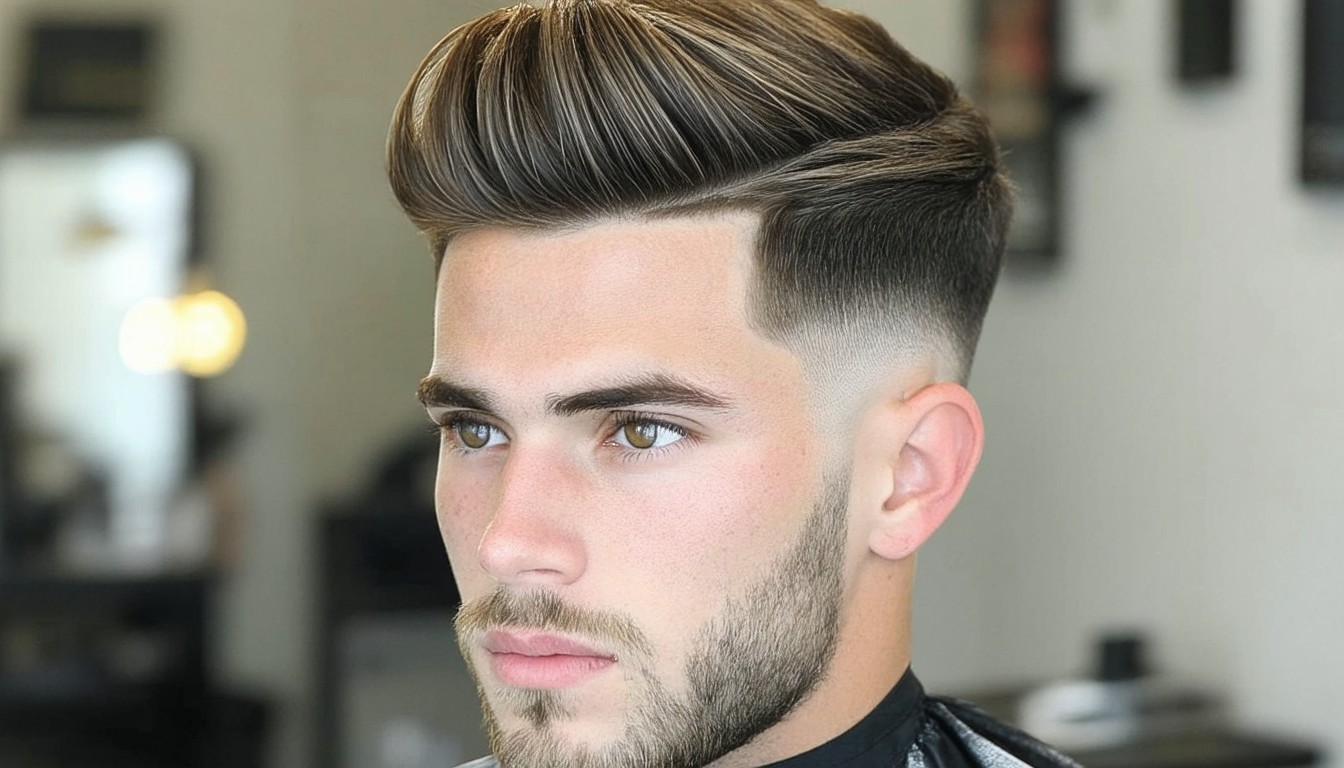

Men’s grooming has evolved beyond basic buzz cuts and classic side parts. Today’s style-conscious man seeks sharp lines, refined edges, and versatile looks that require minimal daily upkeep but deliver maximum impact. Enter the low taper fade—a modern barbershop staple distinguished by its subtle gradient, clean silhouette, and adaptability across hair types and face shapes. Its themes of style, simplicity, and low maintenance resonate especially in urban centers and among professionals balancing tight schedules with personal presentation. The low taper fade continues to surge in popularity as both a stylish and pragmatic haircut for men.
What Is a Low Taper Fade? Definition and Distinction
A low taper fade is a haircut where the hair gradually shortens from the top down to the nape and sides, with the fade starting low—just above the ears—unlike a high or mid fade that starts higher up the head. The progression is subtle, creating a polished blend rather than dramatic contrast. While terms like “taper” and “fade” are often used interchangeably, barbers note subtle differences:
- Taper: Gradual reduction of hair length, most pronounced around the sideburns and neckline.
- Fade: A more blended transition, often down to the skin, with clearly defined gradients.
The low taper fade combines these techniques, resulting in a soft, natural look with edge.
“The low taper fade offers the best of both worlds: a fresh, modern outline but low enough to retain versatility and a professional appearance,”
says Jamie O’Neill, lead stylist at London’s Blueprint Barbers.
Why the Low Taper Fade Is in Demand: Style Meets Simplicity
Versatility for All Hair Types and Face Shapes
This haircut suits straight, curly, dense, or fine hair, and adapts to various face shapes—oval, round, square, even diamond. A taper started low maintains fullness above the earline, balancing prominent jawlines or softening cheeks.
Low Maintenance Routine
One of the hallmark appeals of this style is its practicality. A low taper fade typically:
- Requires only a trim every 3–4 weeks
- Maintains clean lines longer than high fades, which grow out less gracefully
- Works well with minimal product
- Reduces time spent styling each morning
In fast-paced environments, from technology hubs to creative agencies, men cite low-maintenance cuts as key to streamlined routines.
Professional but Modern
While edgy fades can appear too bold for conservative offices, the low taper fade offers sharp definition without breaking professional dress codes. Celebrities such as Michael B. Jordan and Zayn Malik have amplified its mainstream status, blending classic masculinity with updated trends.
Getting the Perfect Taper Fade: What to Ask Your Barber
Clarity is critical when requesting this cut. Miscommunication can transform a desired low taper into an unintended skin fade or high fade. Seasoned barbers recommend:
- Bring reference photos to demonstrate the level where you want the fade to begin.
- Specify whether you want a skin fade (down to scalp) or a classic taper with some hair left at the bottom.
- Discuss sideburn and neckline styling—some clients prefer squared edges, others a more natural finish.
- Decide how much length to retain on top for styling versatility.
Experienced barbers will work with head shape and growth patterns to create a fade that both flatters and endures.
Styling the Low Taper Fade: Everyday Looks and Occasions
The low taper fade’s adaptability extends beyond the barbershop chair. Here’s how men leverage this style for different contexts:
Smart and Sleek for the Office
A touch of matte clay slicks back longer tops for a corporate-ready vibe, while the faded sides retain neatness even with minimal touch-ups.
Casual and Relaxed
For a more laid-back approach, men with textured hair can leave the top natural, emphasizing the fade’s gentle contrast with curls or waves. This is especially popular among younger demographics and those active on social platforms like Instagram.
Formal Events
Pairing the fade with a side part or subtle pompadour offers a refined take for weddings or important meetings.
Athletic Edge
Sporting icons and athletes often choose the low taper fade for its ability to stay sharp during high-activity days, requiring little more than a quick comb or brush after training.
Trends and Real-World Examples
Barbershop culture thrives on trends and innovations. A few current variations on the classic low taper fade include:
- Curly Top Fade: The fade starts low, letting curls naturally fall over the gradation for a dynamic look.
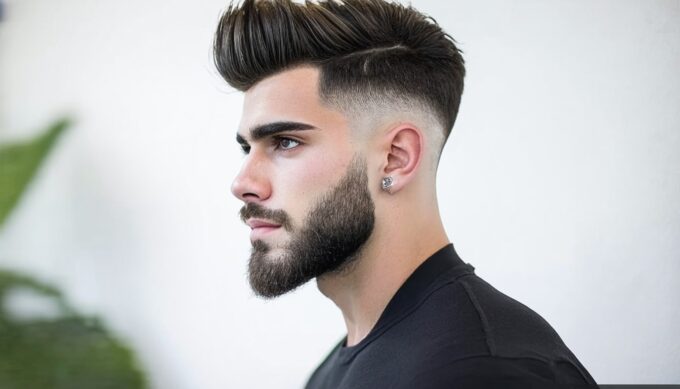
- Low Taper with Beard: Fading seamlessly into facial hair for a cohesive, tailored appearance.
- Textured Crop: Combining a short, choppy top with the fade for added volume and dimension.
Major cities like New York, London, and Seoul report a notable uptick in requests for low tapers among men aged 18–40, reflecting a broader shift toward manageable, stylish cuts that cross cultural and professional boundaries.
Care and Maintenance: Pro Tips for a Lasting Fade
While the low taper fade is inherently low maintenance, proper care ensures longevity:
- Frequent neck and ear trims: Home touch-ups using a trimmer keep the outline sharp.
- Avoid over-washing: Two to three washes per week with a gentle shampoo preserves scalp health and hair texture.
- Regular barber visits: Every three to four weeks helps maintain the smooth gradient and avoids overgrowth.
Products like lightweight pomades or texturizing sprays can enhance the look without weighing hair down.
Conclusion: Low Taper Fade, High Impact
The low taper fade embodies a rare combination—sophistication, adaptability, and ease of upkeep. Its blend of classic barbering and modern flair appeals to a diverse range of men, from style trendsetters to professionals prioritizing efficiency. As tastes shift toward effortless style, the low taper fade stands out as a reliable choice for those seeking both confidence and convenience in their daily grooming.
FAQs
What is the difference between a low taper fade and a regular fade?
A low taper fade starts the gradual shortening of hair just above the ears and neckline, creating a subtle transition. In contrast, regular fades can start higher up the sides or back, often resulting in a more pronounced contrast between hair lengths.
How often should I get a low taper fade trimmed?
To keep the fade sharp and the outline clean, most barbers recommend trimming every three to four weeks. This helps maintain the blended look as hair grows out.
Is a low taper fade suitable for all hair types?
Yes, the low taper fade adapts well to straight, wavy, or curly hair. Its versatility makes it a popular option for a wide variety of hair textures and face shapes.
Can I style the top of my hair differently with a low taper fade?
Absolutely. The low taper fade allows you to keep length on top, enabling styles from slicked-back looks to textured crops or natural curls.
Does a low taper fade work with facial hair?
The style works seamlessly with beards or stubble. Barbers can blend the taper into facial hair for a cohesive, well-groomed appearance.









Leave a comment