
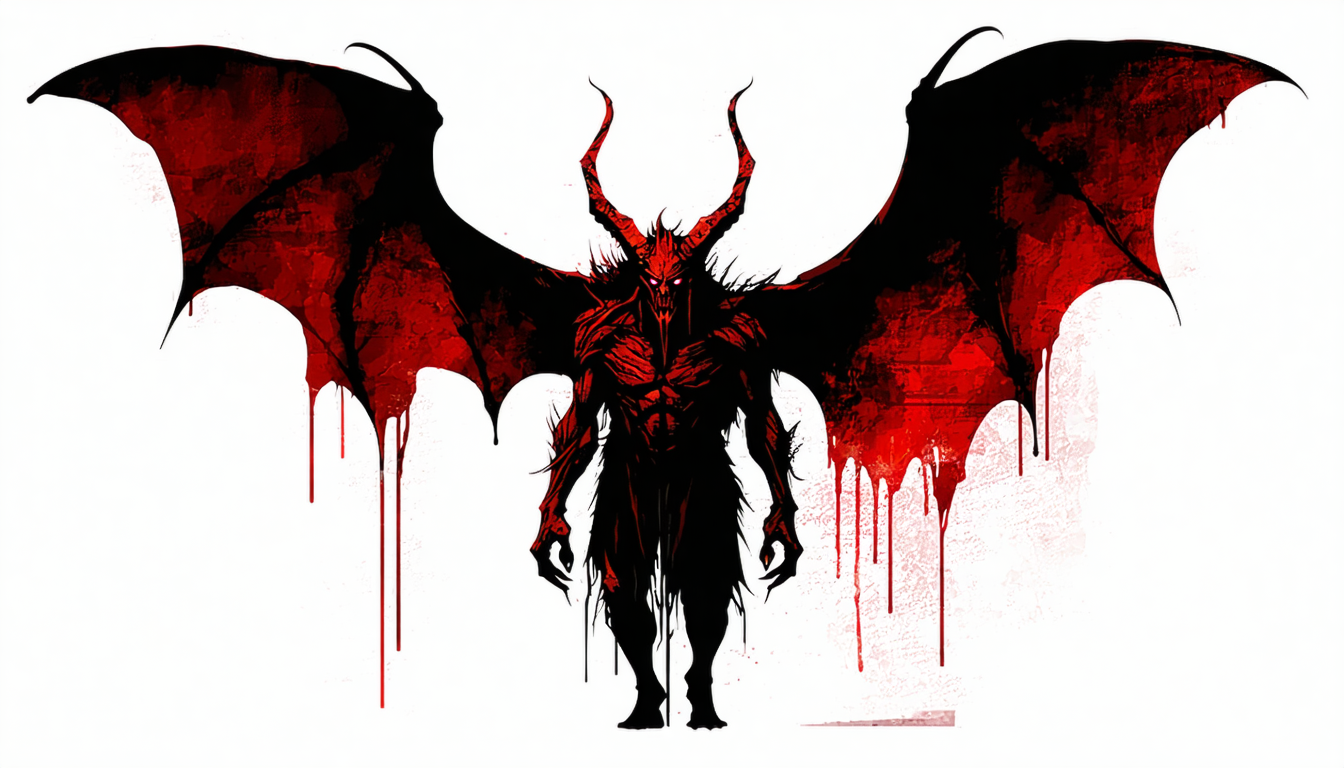

Ancient and eerie, Pazuzu emerges from the sands of Mesopotamia as a paradoxical figure—both demonic and protective, terrifying yet sought-after for safety. Far from a straightforward villain, he occupies a unique niche in mythology and modern culture, bridging antiquity with contemporary fascination. Let’s peel back the layers of his origin, symbolism, and enduring presence in both ancient rituals and pop culture.
Origins and Mythological Roots of Pazuzu
A Wind Demon with Dual Role
Pazuzu roots belong to first-millennium BCE Mesopotamia, revered among Babylonians and Assyrians as the king of wind demons. Although inherently tied to destructive southwest winds and plagues, he also served a protective function—most notably against the demonic threat of Lamashtu, who menaced pregnant women and infants (en.wikipedia.org).
Sudden Arrival in the Archaeological Record
What makes Pazuzu truly intriguing is the abruptness of his appearance: he first surfaces in the archaeological record around the 8th century BCE, with no evident precursors (britannica.com). Some scholars argue that this sudden emergence and fully formed iconography suggest either a deliberate invention or adaptation of older mythos.
Iconography: A Chimeric Guardian
Visually, Pazuzu is a mesmerizing collage of beast and man: canine or leonine head, bulging eyes, scaly torso, raptor talons, scorpion tail, wings, and even serpentine genitalia (en.wikipedia.org). His hand placement—right raised, left lowered—has been interpreted as a symbolic gesture balancing life and death, or creation and destruction (pt.wikipedia.org).
Protection Through Fear: Pazuzu in Ritual and Magic
Apotropaic Uses: Amulets and Statues
Rather than embodying pure evil, Pazuzu’s fearsome visage became a powerful tool in ancient protective magic. Bronze amulets and pendants depicting his head were worn by pregnant women or placed in homes to ward off Lamashtu and malevolent winds (britannica.com). Larger figurines hung at household thresholds, serving as walls against invisible threats (metmuseum.org).
Textual Incantations and Mythic Narratives
In ritual texts, Pazuzu boldly proclaims his identity: “I am Pazuzu, son of Hanbu, king of the evil lilû-demons,” recounting how he ascended quaking mountains and broke the wings of hostile winds (deliriumsrealm.com). Such texts portray him not solely as a force of chaos but as a demon harnessable for human safety.
Cultural Echoes and Modern Interpretations
From Mesopotamia to Modern Mythos
Pazuzu commanded little attention beyond archaeological circles until his dramatic revival in modern fiction. The 1971 novel The Exorcist and its 1973 film adaptation thrust him into Western horror folklore, reimagining him as the malevolent spirit that possesses Regan MacNeil (en.wikipedia.org).
Influence Across Media
Today, Pazuzu surfaces in a surprising array of media: from Supernatural to House of Ashes, even cameoed in episodes of The Simpsons and Constantine (britannica.com). Comic books and games keep him relevant, while fringe works like the Simon Necronomicon weave him into neopagan myth-making (britannica.com).
Cultural Symbolism in a Toy Controversy
In 2025, the collectible Labubu doll craze in the U.S. took a bizarre twist: some conspiracy theories bizarrely linked the innocent fuzzy toy to Pazuzu. TikTok and Christian influencers sparked viral panic—only to be mocked by Gen Z who transformed the hysteria into satire and meme gold (indiatimes.com). This episode underscores how ancient myths can be misapplied and sensationalized in modern contexts.
Why Pazuzu Resonates Today
- Primal Symbolism: His unsettling appearance taps into deep-seated archetypes of guardian and monster.
- Protective Paradox: Feeling safer with a demon rather than without one—a compelling contradiction that captivates.
- Pop Culture Magnetism: Horror and myth fans gravitate toward his mysterious and fearsome backstory.
- Internet Amplification: The meme-ification and conspiracy angles reflect how modern media recontextualizes ancient symbols for new narratives.
“Pazuzu embodies both our dread of natural forces and our desperate need to control them,” muses a fictional expert on myth—an insight that captures the essence of his lasting appeal.
Conclusion: Pazuzu’s Dual Legacy
In sum, Pazuzu stands as an extraordinary mythic figure—at once destroyer and defender, obscure and iconic. Emerging without warning in ancient ritual, he became a beloved (and feared) protector. Millennia later, modern media resurrected him, casting him alternately as a horror icon and a misunderstood emblem. His journey reminds us that myths evolve—transformed across cultures, contexts, and centuries—yet continue to haunt, to protect, and to intrigue.
For those interested in mythological archetypes, exploring Pazuzu’s paradox offers fertile ground: how do we reconcile evil as protection? And how do ancient motifs survive in an era of digital lore and viral conspiracies?
(Approximately 880 words)








Leave a comment