
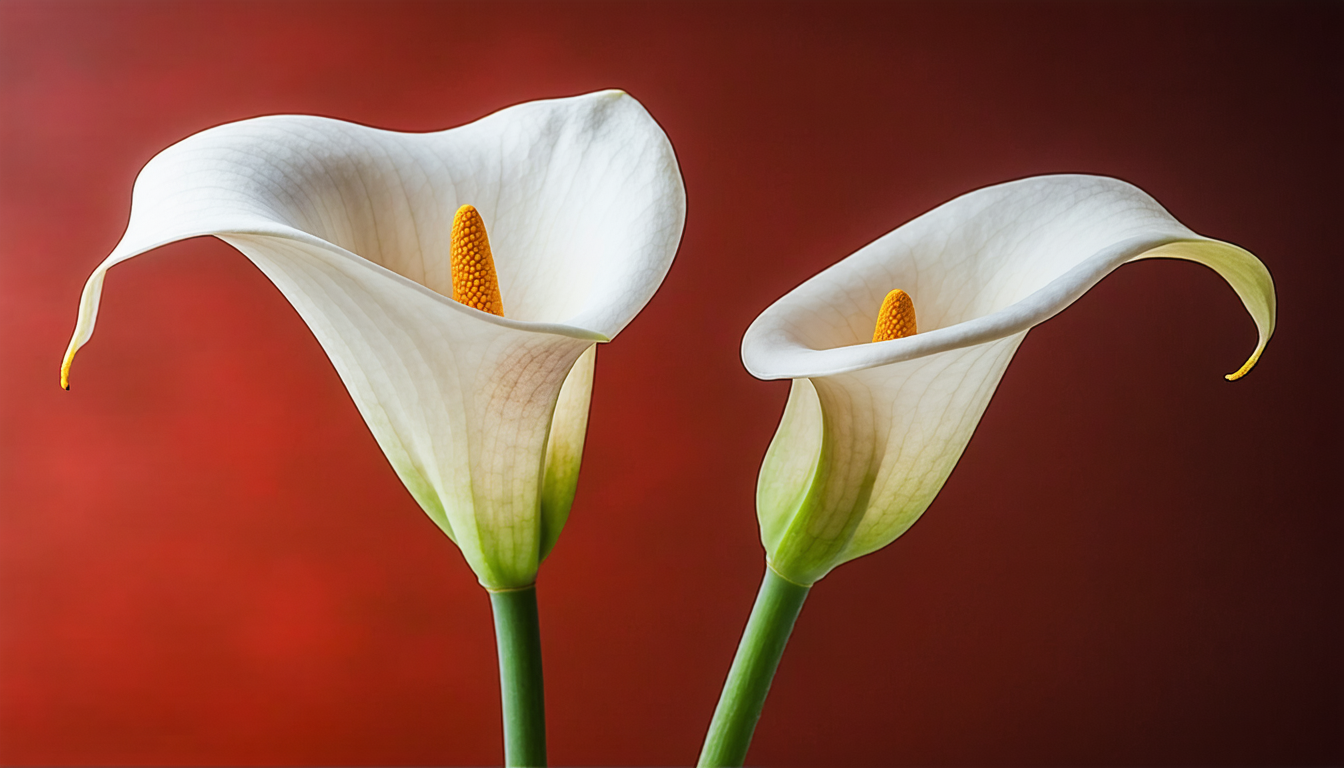

Calla lilies captivate with their sculptural beauty—those graceful, trumpet‑shaped blooms and sleek foliage. Whether gracing a wedding bouquet or a garden pond’s edge, they command attention without demanding perfection. Yet beneath that serene exterior lies a nuanced care routine: too much moisture and you risk rot; too little, and the bloom falters. Unraveling their mysteries reveals how to coax these beauties into robust health—and in doing so, why understanding their needs matters.
Optimal Planting & Early Growth: Setting the Stage for Success
Establishing calla lilies properly gives them a solid start—and that means timing, soil, and depth all aligned just right.
Spring Planting and Soil Preparation
Calla rhizomes should go into the ground when frost has fully passed and soil warms to about 65°F. Cool soils will only delay growth—so wait it out. Loosen soil to a hand‑spade depth and enrich with compost or well‑rotted manure before planting (almanac.com). In colder climates, a spring indoor start lets foliage emerge while frost still lingers outdoors (gardenerspath.com).
Depth, Spacing, and Plant Orientation
Plant rhizomes about 3–4 inches deep, eyes facing up, with 12–18 inches between each (gardenia.net). For containers, opt for a 10–12‑inch diameter pot, spacing two to three rhizomes or limiting to one in a smaller 6‑8‑inch pot (americanmeadows.com). Firm the soil gently—roots breathe more easily when not compacted.
Light & Water Balance: Finding the Sweet Spot
Calla lilies hail from marshy habitats, so moisture is essential—but temperate control is key.
Light Needs by Climate
In temperate zones, they thrive in full sun—six or more hours a day—encouraging abundant blooms (americangardener.com). In hotter regions, midday heat can scorch foliage, so a spot with morning sun and afternoon shade is preferable (americangardener.com).
Watering Precision
Calla lilies prefer moist—not soggy—soil. This means watering deeply until drainage flows, but letting the top inch dry before re‑watering (thespruce.com). Overwatering is a notorious cause of rot—avoid letting water pool long in the soil (thespruce.com). For established plants, maintaining steady moisture is needed; yet as dormancy sets in, watering must taper off significantly (lifetips.alibaba.com).
“Maintaining consistently moist, well‑drained soil is key—overwatering quickly leads to rot, while dryness pulls the bloom right off its rhythm.”
Humidity also matters, especially indoors. A pebble tray or humidifier helps elevate moisture without misting foliage directly, which risks fungal disease (realhomes.com).
Feeding, Deadheading & Disease Prevention: Sustaining Bloom Quality
Once established, callas respond well to balanced, regular attention.
Fertilizer Strategy
Use a balanced fertilizer (e.g., 10‑10‑10 or 20‑20‑20) every 4–6 weeks to support foliage and blooms (americangardener.com). Applying phosphorus-rich boosters at planting and pre‑bloom can enhance flower longevity (americangardener.com). Avoid high‑nitrogen mixes that encourage foliage over flowers (americangardener.com).
Deadheading & Pruning
Consistently remove spent blooms to redirect energy into rhizome development—not seed production (gardenia.net). Trim yellowing or damaged leaves to promote airflow and limit disease risk (americangardener.com).
Pests & Disease Watch
Calla lilies can attract aphids, spider mites, thrips, and slugs—spray lightly with water or neem oil as needed (americangardener.com). Prevent territory‑wide fungi like powdery mildew or rot with good airflow and no wet foliage (americangardener.com).
Dormancy & Overwintering: Preserving Beyond the Season
Even the hardiest calla lilies must rest—and your role evolves.
Dormancy Signals & Timing
As flowering ends, foliage turns yellow and dies back—that’s the plant entering its dormancy phase (freeplantscare.com). During this time, reduce watering gradually and stop fertilizing altogether (freeplantscare.com).
Cold-Climate Storage
In zones below 8, dig up rhizomes after foliage dies, clean them off, air‑dry, then store in peat or vermiculite at 50–60°F in a dark, dry place (gardenia.net). Check periodically for rot or dehydration (gardenia.net).
Warm-Climate Field Dormancy
In zones 8–10, mulch in place after cutting back foliage; watering stops mid‑fall (homesandgardens.com).
Indoor Container Rest
If in pots, allow the plant to go dormant indoors, cease watering, and store in a cool, dry place until reblooming begins (brecks.com).
Real-World Case Study: Container Callas in a Temperate Zone
Consider a gardener in USDA Zone 6 who wants spring blooms indoors. They start rhizomes in a 10‑inch pot in early March, using rich, well‑draining soil. The pot sits by a west‑facing window, receiving bright morning light and filtered afternoon sun.
Watering starts modestly—initial soak followed by gradual moisture checks. Once foliage emerges, they water weekly, fertilize every 4 weeks with balanced feed, deadhead blooms, and remove yellowed leaves. As foliage dies in late summer, they allow foliage to wither, then gently lift and store rhizomes in peat moss at 55°F during winter.
Come next spring, they replant, and—same ritual begins. Over two seasons, blooms improve in size and staying power; rhizomes multiply enough to share with friends.
Conclusion – Your Calla Lily, Your Garden Grace
Calla lilies reward thoughtful growers with sculptural elegance and reliably long blooms. Key to success is balancing moisture with good drainage, providing light tailored to your climate, fertilizing moderately, and respecting their dormant season. Whether in-ground or in a container by your window, these plants thank attention with graceful, enduring beauty. For next steps: pick planting date based on your zone, monitor soil moisture carefully, and prepare rhizomes gently for their winter rest.
FAQ
When is the best time to plant calla lilies?
Spring, after frost has passed and soil reaches around 65°F. In warm zones, planting may also occur in fall.
How often should I water calla lilies?
Keep soil consistently moist during growth—watering when the top inch dries—but avoid saturation that leads to rot.
Can I leave calla lilies in the ground year-round?
Only in warmer zones (8–10). Cooler zones require lifting and storing rhizomes for winter.
What’s the best fertilizer routine?
Use a balanced NPK formula every 4–6 weeks; avoid high-nitrogen blends that favor foliage over flowers.
What pests should I watch for?
Common offenders include aphids, spider mites, thrips, and slugs. Regular inspection and gentle treatments like water sprays or neem help control them.








Leave a comment