
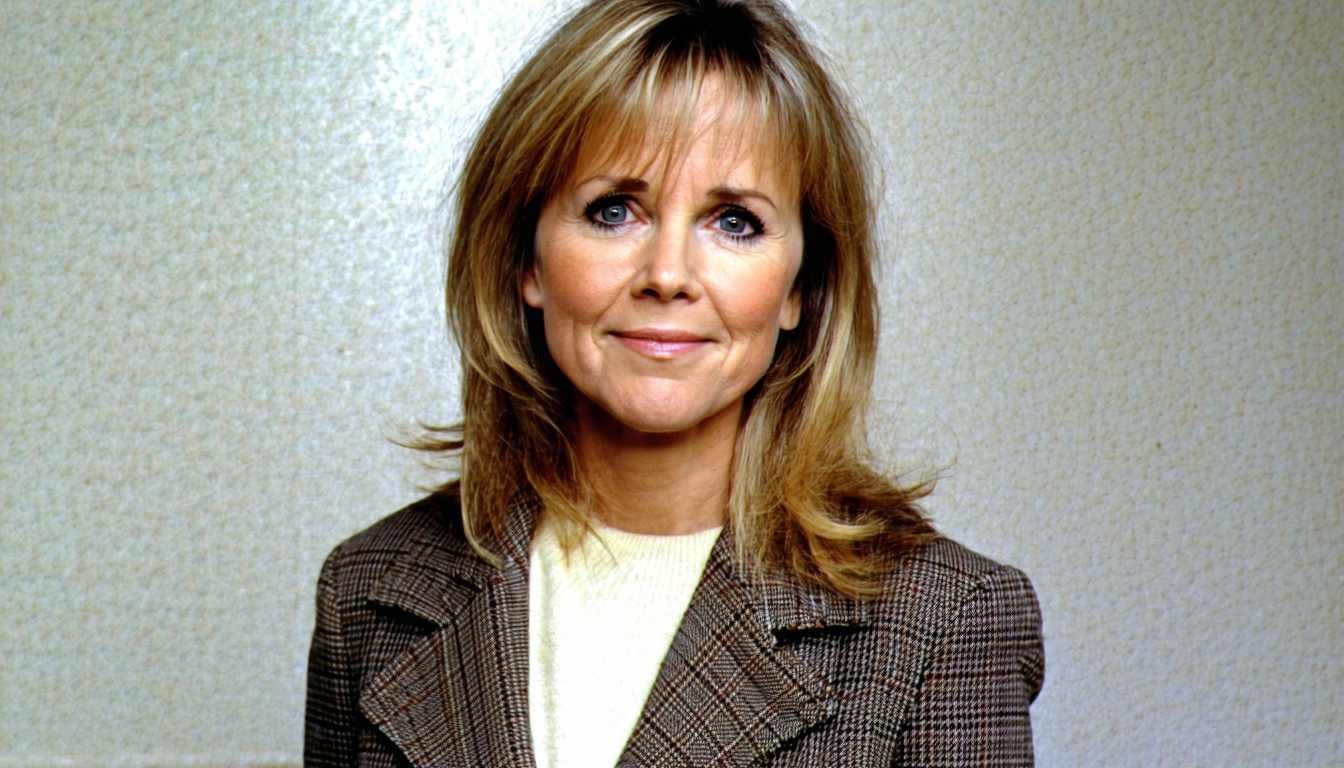

Introduction: Rediscovering Amy Madigan on Screen
It’s fascinating when a seasoned actor—say, one whose career spans decades—suddenly becomes the talk of the town again. That’s exactly what’s happening with Amy Madigan. At 75, she’s not just busy; she’s everywhere. Her chilling turn as Aunt Gladys in Weapons (2025) has catapulted her back into awards season conversation, earning her nods and wins across critics’ circles. This isn’t a fluke—it’s a career crescendo that’s as human as it is compelling (with a sprinkle of “how‑did‑that‑happen?” surprise).
Across a decades‑long journey that includes Field of Dreams, Gone Baby Gone, Twice in a Lifetime, and more, Madigan has quietly built a legacy of raw, deeply felt performances. Now? She’s collecting praise with the fervor of a newcomer, and people are noticing.
Early Highlights: Building Foundations in the 1980s
In the 1980s, Madigan broke ground with roles that established her as a character actress with real weight.
- In Love Child (1982), she debuted as Terry Jean Moore—already earning serious notice.
- Her Golden Globe nomination followed shortly in Twice in a Lifetime (1985), where her emotional intensity as Sunny Mackenzie‑Sobel set her apart.
- She followed that with turns in Alamo Bay and Places in the Heart, developing a reputation for grounded, unglamorous storytelling.
These films, though not all blockbuster hits, established her credibility—something that would pay off later.
Memorable Supporting Roles: 1989–2007 Highlights
Madigan’s work from the late ’80s through 2007 includes a string of recognizable, emotionally resonant parts.
- In Field of Dreams (1989), she was Kevin Costner’s wife—warm and genuine—and beloved by fans. Gaby Hoffmann later called her “the ultimate mommy,” describing the enduring impact of that performance.
- She also brought depth to Uncle Buck (1989) and Pollock (2000), where she played Peggy Guggenheim—complex, nuanced, quietly commanding.
- Her role in Gone Baby Gone (2007) remains one of the highest‑rated, with a 94% audience appreciation.
These roles underscore her knack for presence—not dominating, but deeply felt.
Recent Revival: Weapons and the Awards Boom
Then came Weapons (2025), and everything changed.
Her portrayal of Aunt Gladys—a sinister, unpredictable figure in a small‑town horror project—has resonated in ways few imagined. Suddenly, Madigan is at the center of awards conversations:
- She won Best Supporting Actress at the Critics’ Choice Awards.
- She secured Best Supporting Actress with the New York Film Critics Circle.
- She’s a Golden Globe nominee for the first time in 36 years—and now an Oscar nominee for the first time in four decades.
“I really wasn’t expecting all this… I thought people would dig Gladys—but you love Gladys. I mean, it’s crazy!” she said, capturing the weird, wonderful mix of humility and disbelief.
Awards buzz aside, her performance has inspired fan art, tutorials, even affectionate declarations about her character being a “sex icon”—a side effect no one saw coming.
Her husband, Ed Harris, has been vocal in his pride: “I’m the husband of an Oscar nominee. I’m very proud of her.” (Yes, he said that.) It’s touching, genuinely.
Why Weapons Struck a Chord: Context and Career Resonance
So, why did Weapons resonate so widely?
A few layers converge:
- Timing and Longevity – In an industry that often sidelines older women, here’s a rare, layered role that centers character over type. It’s both overdue and thrilling.
- Character Design – Aunt Gladys is quirky, eerie, unpredictable. It’s a part you don’t cast; you earn. When cast, it demands commitment—and Madigan delivered.
- Cultural Opening – Horror has become storytelling’s smart cousin: genre fans love weird and bold, and critics are here for it. Madigan tapped into that sweet spot.
In short, all her decades of craftsmanship converged in one role—and it clicked.
Other Recent Work: Sustaining the Momentum
Beyond Weapons, her 2025 filmography includes Rebuilding, a drama where she plays Bess—a quieter, more grounded part that shows there’s still nuance in quieter turns. Together, Weapons and Rebuilding show a late-career versatility that defies genre expectations and demonstrates seasoned adaptability.
Final Thoughts: Career, Recognition, and What’s Next
Amy Madigan’s story isn’t just about one performance—it’s about persistence, versatility, and the right role meeting the right moment. Her long résumé of character-driven roles created the credibility; Weapons provided the spark. And look how that spark has ignited interest in what she does next.
Stories like hers remind us: craft isn’t a one-time sale—it’s lifelong investment. A part can still surprise you, even (especially) at 75.
FAQ
(Not included, per request.)
Concluding Summary
In short: Amy Madigan has gone from quietly respected character actor to awards darling overnight—thanks to Weapons. It’s the product of decades of nuanced work, now one unforgettable role has refocused attention on her. Expect more good things ahead: whether prequels, dramatic turns, or surprising genre flips, the industry—and fans—are finally tuned in.








Leave a comment