
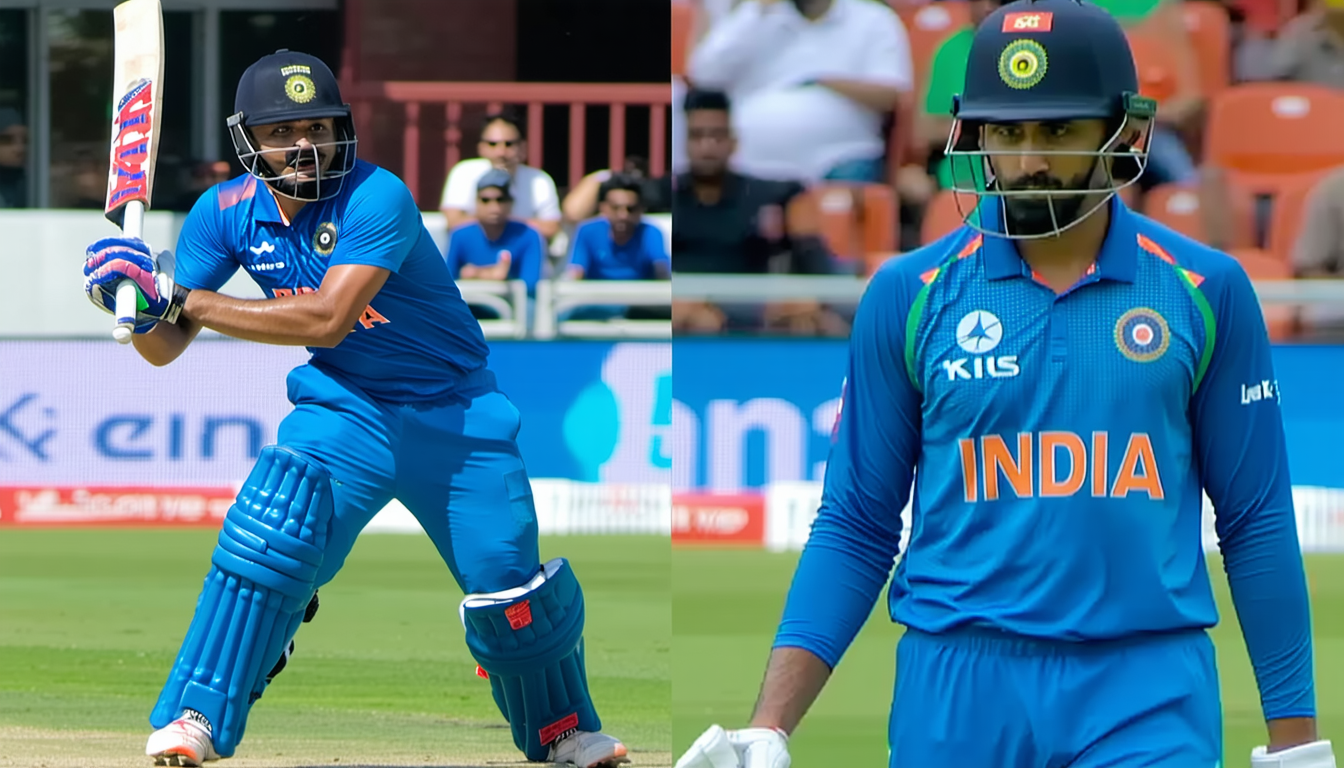

There’s something about a Bangladesh national cricket team vs India national cricket team match that grabs even the mildly uninterested, right? Whether it’s the noise from Mirpur or the sea of blue in Mumbai, the rivalry hits a nerve. But with so many streaming options, shifting broadcast rights, social media teasers, and – let’s face it – pirate links flooding WhatsApp, finding where to watch the game online is, well, a bit messier than it used to be.
This isn’t just another list. Let’s look at the real ways fans catch the action, where things get tricky, and what options people are actually using on the ground. And yes, a few “wait, does that even work?” methods find their way in – because, well, people are unpredictable.
Official Broadcasters and Trusted Streaming Platforms
The Secure Bet: Live on Licensed OTT Platforms
Probably the most hassle-free and, let’s say, “parent-approved” way to stream Bangladesh vs India cricket is to use the platforms actually holding the rights.
- In India: Services like Hotstar (now Disney+ Hotstar), SonyLIV, and sometimes JioCinema, depending on the tournament, usually bag the broadcast deals for ICC events, bilateral matches, and Asia Cup showdowns.
- Bangladesh Side: Local fans often rely on Rabbithole (the BCB’s digital partner), Toffee, or the Bangladesh TV (BTV) digital arm for their matches.
- Rest of World: ESPN+, Willow TV, or YuppTV often pick up the slack internationally, especially if you’re in North America, the UK, or Australia.
It feels obvious, sure. But rights change hands often. One dude’s story—he paid for Hotstar for a year, only to find out the 2023 Asia Cup went to another provider last minute. Ouch.
“Fans should always check the official social handles a week before the series—broadcast rights do shift more than people think,” says sports digital consultant Mohit Malhotra.
Even with so many platforms, regional restrictions (hello, geo-blocking) can still leave fans out in the cold. Although there’s VPN talk everywhere, not everyone is comfortable wading into that world.
Streaming App Experiences: Glitches, Delays, and Life Happens
Look, almost everyone has grumbled about stream delays. Ten seconds late, and your neighbor is shouting “SIX!” before your bowler even crossed the crease. Even legal platforms face lags during high-traffic moments.
- Mobile Apps: Most OTT platforms prioritize mobile streaming, offering interactive stats, multiple camera angles, and social chat features (sometimes more distracting than helpful).
- Smart TV/Website: The classic big-screen route works well, but needs solid internet. Rural fans still struggle with buffering, even in 2024.
- Subscription Models: Some allow single-match purchases, but most push monthly plans—can feel steep if you only care about a series or two.
A fan from Kolkata shared, “Sometimes, streaming is just not worth it if my Wi-Fi drops every powercut. I honestly switch to radio commentary while recharging.” People do what they have to.
Social Media & Alternative Viewing: The Gray Zone
YouTube Streams, Facebook “Lives” and the Piracy Strain
Let’s not pretend: every Bangladesh vs India cricket match has dozens of “free” links flying around social media. YouTube streams, Facebook live groups, Telegram channels—some last minutes, others get pulled down halfway through the first Powerplay.
- Risks: Glitchy video, fake ads, and malware traps are all too common.
- Reality: For many, especially students or those without paid access, these remain the only means to catch the game. Some local cafes even set up group streams off these questionable links.
Social media companies do crack down during big games, but new streams pop up just as quickly. Sometimes, the best a fan can do is find the least-annoying link in a hurry.
Venue Streaming: Watch Parties and Local Solutions
In cities with big South Asian communities—think London, New York, or even Kuala Lumpur—bars and community centers often stream the games on big screens. Not everyone wants to watch alone!
- Vibe Factor: This method turns viewing into a party, with food, music, and other fans to high-five (or groan) alongside.
- Drawbacks: You might have to pay a cover charge, buy drinks/food, or deal with the pain of a dodgy stream in public.
Community-driven solutions like these highlight how diverse the fan base really is.
Legal, Tech, and Fan-Led Workarounds
VPNs, Smart DNS, and Why It’s Not Foolproof
With matches geo-blocked or made exclusive to certain regions, many turn to tech solutions like VPNs or Smart DNS services. But streaming companies are getting smarter—they spot many VPNs and slap on blocks, making this a cat-and-mouse game.
- Some succeed, some don’t: Even paid VPN services might not always work, especially during major events.
- It’s a gray legal area: Not strictly illegal, but against most platform Terms of Service. Users run the risk of being booted from platforms if caught.
For those who experiment, patience and a willingness to Google for updated VPN info is a must.
Radio, Live Scores, and Good Old Social Banter
Strange as it sounds in a world dominated by HD streaming, radio commentary and live score apps (like Cricbuzz, ESPNcricinfo) still have die-hard fans.
- Minimal Data Use: Especially helpful where mobile internet is expensive or patchy.
- Immediacy: Text and radio updates are often ahead of video streams, with no buffering to worry about.
- Community Feel: Social media threads, WhatsApp groups light up during big matches; sometimes, the banter is almost better than the broadcast.
It’s not just about the video. For some, the feeling of live conversation is the real connection.
Trends, Challenges, and What the Future Holds
Evolving Platforms and Fan Adaptation
Streaming rights will keep shifting, as broadcasters pay big sums for exclusivity in hot cricket markets. That means, really, fans have to stay adaptive—ready to update their app arsenal, learn a new interface, or, well, bug the family group chat for “the link”.
On the other hand, the cricket boards are exploring their own “direct to fan” initiatives, like the BCB’s Rabbithole. They want to control the digital fan journey, but face the same tech and bandwidth challenges as everyone else. There’s also growing interest in alternate feeds—stats-focused streams, commentary in different languages, and AI-powered highlights. Not all of it lands perfectly, but the experimentation is real.
Conclusion: Picking the Best Way to Watch Isn’t One-Size-Fits-All
In the messy, passionate world of Bangladesh vs India cricket, where to watch the match online really depends on what matters most—clarity, cost, community, or convenience. Stick with official OTT apps for reliability and safety, or brave the social media labyrinth if you must. Sometimes, the right choice is the one that makes you feel most connected, even if it’s imperfect.
The only real certainty? Whichever way you watch, get ready for drama—on and off the pitch.
FAQs
Where can I legally stream Bangladesh vs India cricket matches online?
Licensed streaming services like Disney+ Hotstar, Rabbithole, and ESPN+ are usually official broadcasters, depending on your region and the tournament.
Do free YouTube or Facebook streams of the match work?
They sometimes work, but are often poor quality, risky, and may disappear mid-game due to copyright issues. Plus, they’re not legal or secure.
Is using a VPN to access streams from other countries safe?
Technically, VPN use isn’t illegal, but it could break the streaming platform’s terms of service and isn’t guaranteed to work during blocked games.
Which streaming service is best for mobile viewing in India or Bangladesh?
Disney+ Hotstar is a top pick in India, while Rabbithole is popular in Bangladesh. Both have mobile apps and live stats, but need stable internet.
Are there any cheap or free alternatives to paid streams for major cricket matches?
Radio commentary, live score apps, and social media discussions are free ways to follow the match, though they don’t offer live video.
Why do live streams often have a delay compared to real-time or TV broadcasts?
Streaming platforms compress and buffer the video to avoid glitches, which leads to delays—sometimes a few seconds to nearly a minute, depending on network traffic.




Leave a comment