
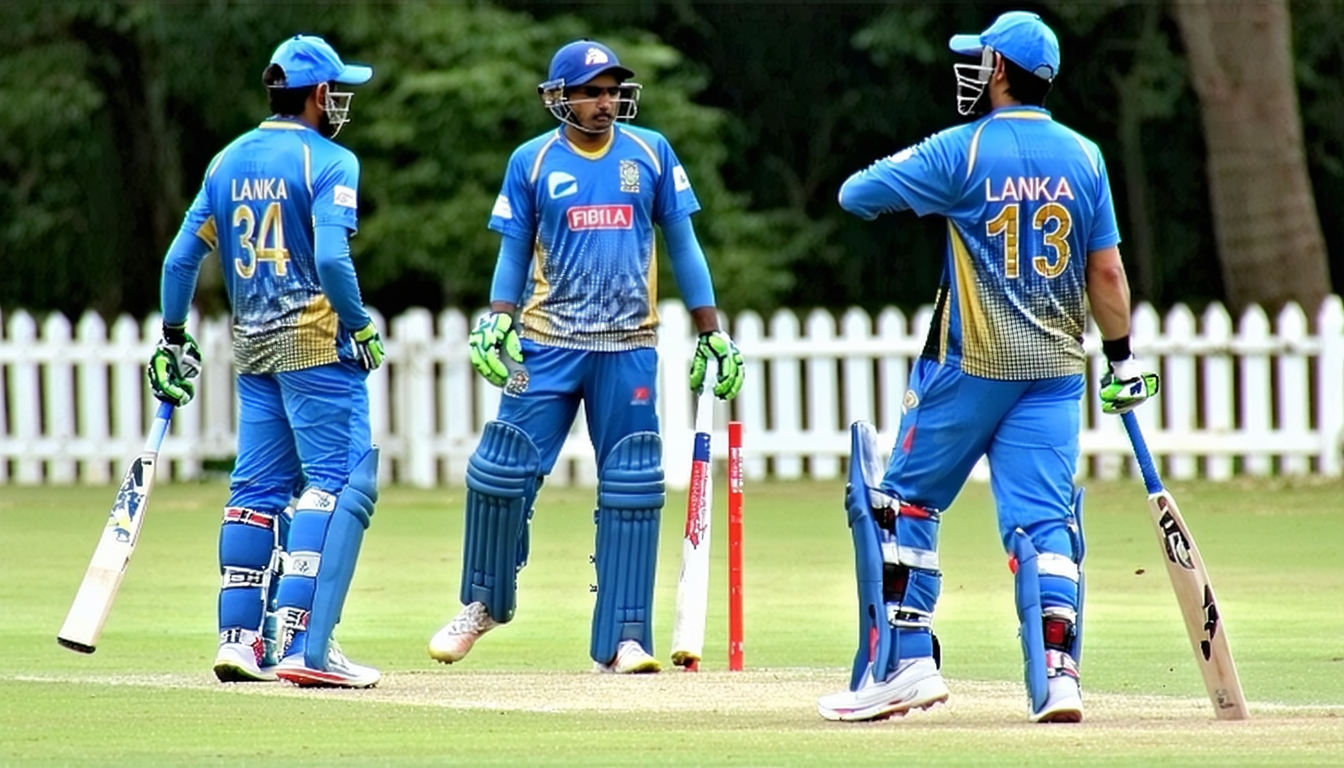

It’s almost impossible to talk about cricket in Asia without getting a little caught up in the passionate rivalries. Sri Lanka and Pakistan—two proud cricketing nations—have built a relationship that swings from intense rivalry to genuine camaraderie. Whether it’s a cool Test series in Galle or a hurricane finish in Karachi, the history between the Sri Lanka National Cricket Team and the Pakistan National Cricket Team is a saga of shifting fortunes, mutual respect, frustrating controversies, and the downright unexpected.
The Early Years: Emergence and Mutual Respect
1980s: Finding Their Footing
Pakistan’s cricket history stretches back to the 1950s, a decade after independence. Sri Lanka, on the other hand, got its Test status in 1981. The first official Test between them happened in 1982 in Karachi—a game Pakistan won, no surprise then, considering their experience at the highest level.
But that’s not to say Sri Lanka rolled over. They showed glimpses of future flair: Roy Dias and Duleep Mendis nearly snatched the Colombo Test, setting early signs of a balanced rivalry. In fact, for most of the 1980s, Pakistan’s legendary fast bowling—Imran Khan, Wasim Akram—usually had the edge, but Sri Lanka’s spinners started quietly making inroads.
“Matches between these two nations rarely followed a script. The passion, pride, and unpredictability made every encounter special, even when the result seemed preordained.” — Former Sri Lanka Coach
1990s: Turbulence and Changing Momentum
Throughout the 1990s, both teams underwent transformation—some years Lankan batsmanship dazed spectators and other years Pakistan’s pace won the day. Arguably, the 1996 Cricket World Cup was a turning point: Sri Lanka, led by Arjuna Ranatunga, beat Pakistan and went on to win the entire tournament. The message was loud: Sri Lanka could no longer be taken lightly.
The New Millennium: High Drama and Close Contests
2000–2010: Icons Collide and Tragedy Strikes
The 2000s saw familiar names—Muttiah Muralitharan, Mahela Jayawardene, Kumar Sangakkara facing off against Inzamam-ul-Haq, Younis Khan, and Shoaib Akhtar. These years produced some incredible games, with both teams taking turns dominating Test and ODI series.
A dark chapter came in 2009 when the Sri Lankan team tour bus was attacked by gunmen in Lahore. The aftermath changed South Asian cricket: Pakistan lost the right to host international cricket for years, and the close bonds between the two sides deepened amid adversity. Neither nation has forgotten that day—perhaps proof that their fates are, oddly, intermingled.
Toward Rebuilding: Cricket Finds a Way
After 2009, Pakistan played “home” games in the UAE, but contests against Sri Lanka retained intensity. In 2017, Sri Lanka bravely agreed to return to Lahore, helping Pakistan slowly reintroduce home internationals. Some still say this was an act of solidarity as much as it was about cricket.
T20 Era: Explosive Encounters and Shifting Trends
2010s: White-Ball Tactics and Fresh Talent
With T20 cricket changing the global landscape, both nations poured resources into unearthing big-hitting batsmen and effective all-rounders. Pakistan became a T20 powerhouse, while Sri Lanka tried to nurture another generation of spinners and finishers.
Pakistan often had the upper hand in T20s, but Sri Lanka’s unpredictability—especially in tournaments—meant the outcome was rarely obvious. Fans still remember Dinesh Chandimal’s sneaky captaincy moves and Pakistan’s fearless chases led by Babar Azam or Mohammad Rizwan.
Contemporary Rivalry: Mutual Evolution
Lately, contests have been characterized by mutual respect, with both teams pushing younger players into the limelight. Many cricket experts argue this rivalry, once so fierce, now feels more like a healthy test of skills rather than a battle with animosity.
Memorable Clashes: Highlights and Turning Points
Record Breakers and Nail-Biters
- 1996 Cricket World Cup Quarterfinal: Sri Lanka’s bold chase against Pakistan put them on a fast track to world champion status.
- 2002 Asia Cup Final: Pakistan’s pace attack stunned, but Sri Lanka’s reliability under pressure secured a famous win—there was a point, honestly, where it looked like they’d throw it all away, but Jayasuriya pulled them through.
- Galle Test 2009: Rangana Herath’s spell saw Sri Lanka seal a rare home series win against Pakistan—punctuated by endless appeals and some questionable umpiring, naturally.
- 2017 T20 in Lahore: Not a classic ding-dong finish, but hugely emotional for what it meant for Pakistan’s cricket fans and security situation.
Head-to-Head Record Snapshot
As of mid-2020s, Pakistan generally maintains a better head-to-head record in both Tests and ODIs; T20s see both sides often exchanging wins. The figures suggest a slight tilt toward Pakistan in statistics but, really, momentum shifts quickly in this rivalry.
Key Stats (Approximate)
- Test Matches Played: 50+
- ODI Matches Played: 150+
- T20I Matches Played: 20+
Win/loss ratios shift over the decades, reflecting each team’s internal changes.
Beyond the Scoreboard: Politics, Diplomacy, and Shared Culture
Cricket between Sri Lanka and Pakistan has never existed in a vacuum. Political changes—sometimes strained relations, sometimes rapid warming—have all influenced tours, crowds, and even player safety. Shared religion and subcontinental traditions influence how fans interact and how teams show respect on the field, from gifting souvenirs to polite exchanges at toss time.
Equally, both nations have exchanged support: Sri Lanka supported Pakistan in getting international tours back post-2009; Pakistan has often sent aid after Sri Lankan disasters. All of this seeps into the timeline and shapes the narrative.
Conclusion
The timeline between the Sri Lanka National Cricket Team and the Pakistan National Cricket Team is, frankly, a little messier than most head-to-heads. There have been periods where one dominated, only for the other to come storming back. The matches have included everything: world-shaking upsets, politics, tragedy, and sometimes—but not always—sheer brilliance. Cricket, in this particular rivalry, has been more than just a game. In the grand scheme of Asian cricket, both teams remind fans that genuine respect grows best out of fierce competition.
FAQs
How often do Sri Lanka and Pakistan play each other in cricket?
Sri Lanka and Pakistan usually compete every few years in bilateral series across all formats—Tests, ODIs, and T20Is. Major ICC and ACC tournaments bring extra matches as well.
What was the most memorable Sri Lanka vs Pakistan cricket match?
Many fans highlight Sri Lanka’s 1996 World Cup win over Pakistan as a major historical moment. However, the 2017 T20 in Lahore also stands out for symbolic reasons.
Has Sri Lanka ever dominated Pakistan in cricket?
There have been stretches, especially in the mid-2000s and certain home series, where Sri Lanka held the upper hand. Historically though, Pakistan’s overall win tally is slightly higher.
Why is their cricket rivalry significant in Asia?
Sri Lanka vs Pakistan is seen as a blend of high skill and cultural connection, often reflecting broader South Asian narratives of rivalry, respect, and resilience. Off-field events—like the Lahore attack—have added to the rivalry’s emotional weight.
Which players have defined this rivalry?
Players like Sanath Jayasuriya, Arjuna Ranatunga, Muttiah Muralitharan (Sri Lanka), and Wasim Akram, Imran Khan, Shahid Afridi (Pakistan) have left a lasting impact. There’s always fresh talent emerging, but these names still echo in discussions.
Did the 2009 attack on the Sri Lankan team affect cricket?
Yes, it saw Pakistan lose home matches for several years, greatly impacting their cricketing schedule and security. It also cemented a feeling of brotherhood and support between the two teams.




Leave a comment