
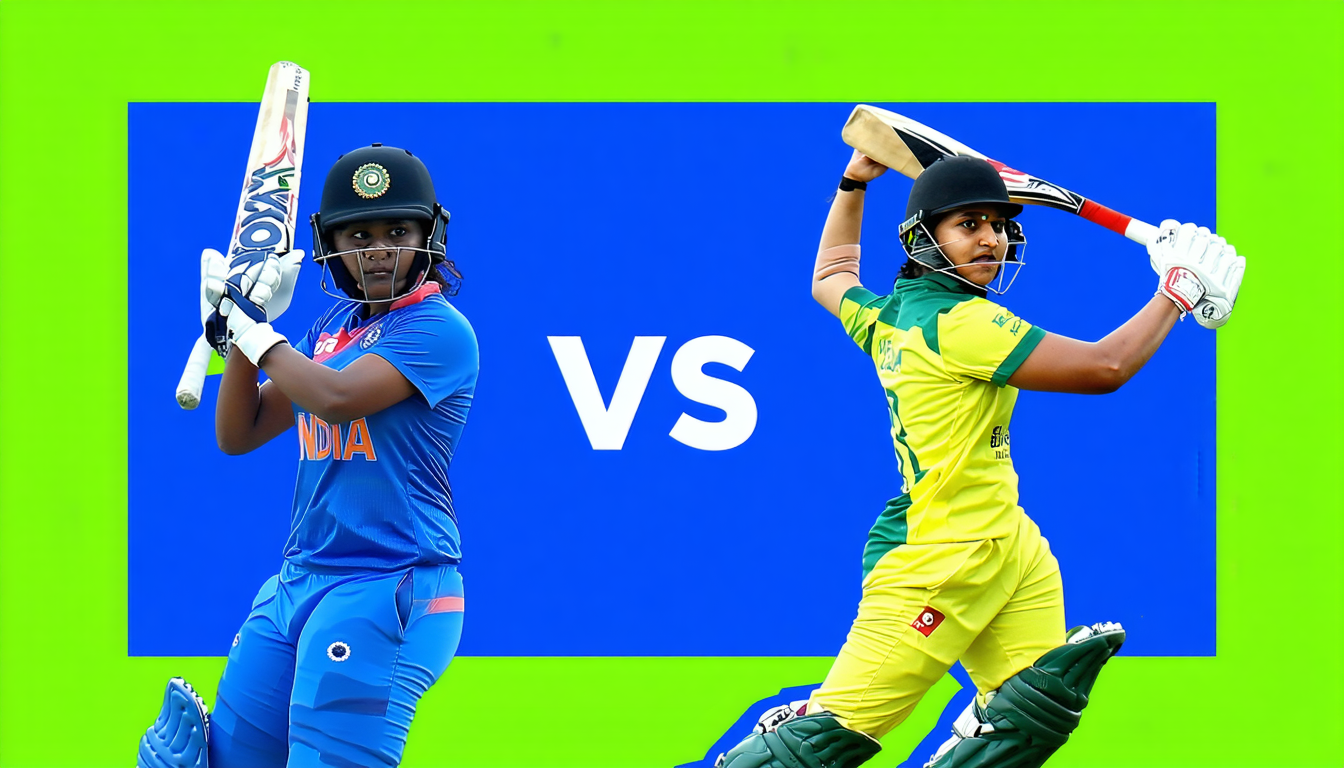

Few sporting fixtures carry a charge quite like an India women’s national cricket team vs Pakistan women’s national cricket team encounter. The moment schedules are announced, both nations’ fans circle these fixtures, regardless of format or form. While it’s easy to say “it’s just another match”, for millions, it’s anything but. It’s national pride, a bit of nostalgia, and honestly, sometimes anxiety all rolled into a three to four-hour spectacle. And yes, even people who don’t usually follow women’s cricket tend to stop and watch—cricket just works that way on the subcontinent.
This next chapter comes at a time when both teams are seeking renewed respect on the global stage, for very different reasons. India, with its deeper infrastructure and IPL-fueled buzz, expects dominance but hasn’t always delivered. Pakistan, in contrast, is building brick by brick, finding believability in fresh faces and hungry, talented allrounders. And while a few stats may show historic disparity, the gap isn’t as yawning as the casual observer might imagine.
Recent Form and Head-to-Head History
A Look Back: India’s Consistent Edge
The head-to-head record between these two sides is, frankly, lopsided in India’s favor. Many fans recall the dramatic 2017 ODI World Cup clash, when India’s bowlers rolled Pakistan for a miserly 74. More recently, in T20Is, India still holds the upper hand, with only a handful of surprise upsets.
But, stats can be misleading; the Women’s Asia Cup 2022 threw up a massive shock when Pakistan pulled off a victory defending just 137. India had a brain fade sort of day, but credit where it’s due—Pakistan’s bowlers held their nerve. That match, odd as it was, emphasized something experts often say:
“Rivalry matches aren’t played on paper. You can throw past numbers out the window—pressure’s the only stat that matters.”
That was from a former Indian captain, and honestly, we’ve all heard versions of it a dozen times from analysts on late-night sports shows.
Momentum Check: Who Looks Sharper?
Form is such a shape-shifter in cricket. India’s recent tour of Bangladesh was, let’s say, a bit uneven. Big names like Smriti Mandhana got among the runs, but there were chinks in the bowling. Harmanpreet Kaur’s batting seemed to be hot-and-cold—if she clicks, India might just run away with it.
Pakistan’s last few series featured a revolving door of combinations, yet Bismah Maroof and Nida Dar (she’s always everywhere, nearly) anchor their ship. While batting collapses plague them, their spinners have made even solid batting sides look slightly shaky. Some fans grumble about Pakistan’s conservative starts, but others would say that pragmatism suits them—nobody wins big games by swinging at everything.
Key Players: Stars, X-Factors, and Unsung Heroes
India’s Arsenal and New Faces
It’s tempting to harp on the usual suspects—Mandhana, Kaur, and Richa Ghosh. Mandhana, when she’s in full flow, looks like she’s got an extra second to play deliveries. Ghosh, young but already known for ice-in-veins finishing, adds a pinch hitter’s dynamism.
What’s really interesting, though, is the crop of new bowlers emerging. Renuka Thakur’s swing disrupted quite a few openers last season. Deepti Sharma remains an all-weather pick, equally adept at stemming run flow or chipping in handy 30s. Maybe not as glamorous as a six-hitter, but winning matches needs workhorses.
Pakistan’s Quiet Surge
Pakistan’s batting doesn’t boast big T20 strike rates, but Maroof’s composure and Dar’s obduracy make them stubborn opposition. Sidra Ameen has provided solid top-order starts—sometimes, that reliable 40 is what’s really needed.
Their bowling unit punches above its weight, especially with Fatima Sana’s pace. Youngsters like Diana Baig (injuries permitting) keep the fielding energetic, if sometimes a tad erratic.
Sometimes people get a bit harsh on Pakistan’s fielders—yes, odd catches go down—but recent matches show marked improvement. It’s small details, like lively boundary saves, that keep teams in the hunt.
Tactical Battles: Where Will The Match Be Won or Lost?
Opening Salvos: Powerplays as Tone-Setters
History—and a bunch of random conversations you overhear at tea shops—suggests both teams set early tones. India typically targets aggressive starts, so it’ll be up to Sana and Baig to keep the opening overs tight. On the flip side, if Mandhana and Shafali Verma get going, Pakistan will need to rethink attack plans fast.
Spin to Win?
Subcontinental wickets often aid spinners. In high-pressure, slow-burn affairs, a 4-overs-for-20 spell sometimes proves more valuable than a flashy fifty. Deepti Sharma and India’s left-arm options, versus Pakistan’s Dar-led spin, could genuinely be where momentum pivots.
Middle Overs: Anchor, Accelerate, or Recoup?
India’s line-up tends to lose its way when forced into rebuilds. Pakistan’s bowlers, if they strike and get a few quick wickets, can force rushed shots and panic. But if India consolidates enough to launch, their late-order hitting can wreak havoc.
Off-Field Narratives Shaping the Contest
Pressure, Expectations, and the Media Cauldron
Honestly, few cricketers face a more intense public microscope than Indian and Pakistani internationals. Players routinely talk about the “baggage” an Indo-Pak fixture carries. Social media, for all its ability to hype, adds new stress. Mishits, misfields, even on-field smiles are dissected at length.
Yet, there’s a rising sense of respect and camaraderie amongst these athletes. The last time they played, the post-match scenes showed players chatting, laughing, swapping tips. Rivalry without rancor—there’s a message in that spirit for all of us (even if the memes after will still be brutal).
Changing the Perception of Women’s Cricket
This fixture—beamed into millions of homes—has outsized impact. Every boundary, every tight finish, chips away at old attitudes doubting the women’s game’s intensity. Young girls in Mumbai and Multan, Kolkata and Karachi, watch and wonder if they could be the next hero.
Even the media buzz has caught up. Coverage is more detailed, social media highlights trend for days, and the WPL’s (Women’s Premier League) backing means younger talent is seen, not just scouted in the shadows.
Conclusion: More Than Just a Match
India vs Pakistan in women’s cricket is becoming both a sporting event and a statement. The rivalry pushes players past comfort zones. For India, it’s about proving that investment equals dominance, not just promise. For Pakistan, every win is a brick in the wall of global legitimacy. Maybe the balance isn’t perfect, sure, and maybe the pre-match narratives miss the little moments players care about most.
But amid high stakes, odd errors, and flashes of brilliance, this is cricket at its most human. That’s the magic of this rivalry—imperfect, unpredictable, and utterly essential.
FAQs
What is the win-loss record between India and Pakistan women’s cricket teams?
India has won the majority of clashes, both in ODIs and T20Is, but Pakistan has sprung notable upsets in tournaments like the Asia Cup.
Who are the players to watch in the upcoming match?
For India, keep an eye on Smriti Mandhana and Deepti Sharma. Pakistan’s key players include Bismah Maroof and Nida Dar, plus younger talents like Fatima Sana.
Why is the India vs Pakistan women’s match considered special?
Beyond cricketing rivalry, it reflects cultural pride and inspires new generations, especially as women’s cricket gains ground in South Asia.
How do pitches typically affect the India-Pakistan women’s encounters?
Matches are often played on slow, spin-friendly surfaces which tend to make tactical bowling and patient batting even more decisive.
Are there any off-field controversies impacting this rivalry lately?
While off-field politics exist, recent matches have shown increased sportsmanship and mutual respect between both sides, setting a positive tone.
How are these matches helping women’s cricket in both countries?
High-profile games generate more interest, sponsorship, and opportunities for young players, gradually leveling the playing field for women’s cricket.




Leave a comment