
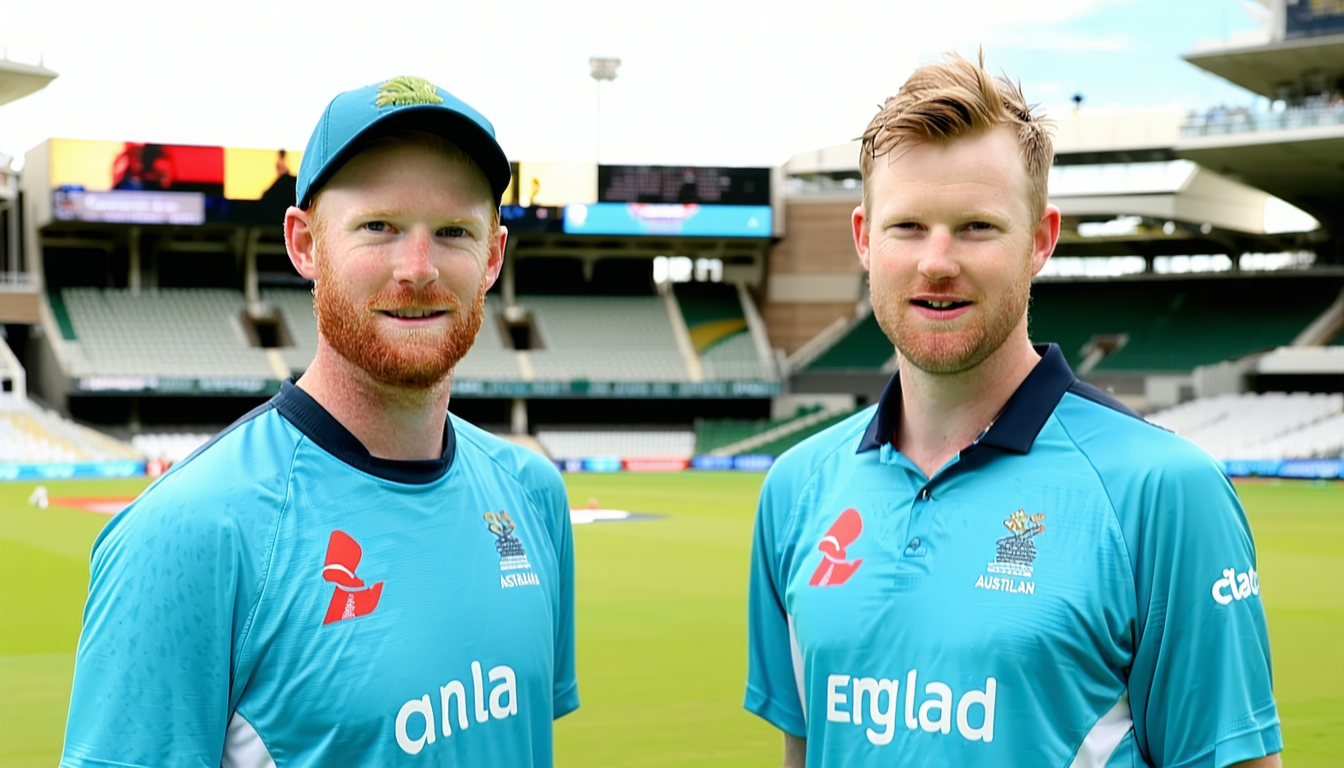

Australia vs England isn’t just another cricket fixture—it’s a saga that stirs up intense passion, debate, and, truth be told, more than a few family squabbles across both countries. The epic Ashes battles have given birth not only to sizzling sledges and iconic moments, but also to line-ups stacked with some of the sport’s most memorable names. Yet with squads evolving, newcomers storming in, and seasoned pros hanging on, keeping track of the Australian men’s cricket team vs England cricket team players list is a task even die-hard fans bungle sometimes.
But, let’s face it: what really makes a squad tick isn’t just the headline stars, but the mix—the flair of youth, the stamina of vets, the quirks that sometimes make you wonder, “Wait, who actually selects these teams?” That unpredictability, that room for mistakes and real-life chaos, is why the line-ups matter as much as the cricket itself.
Key Players in the Australian Men’s Cricket Team
Regular Starters and Shifting Faces
Talk about current Australian cricket, and you can’t ignore Pat Cummins, who still somehow manages to look fresh even after bowling on dead Melbourne wickets for hours. Beside him, stalwarts like Steve Smith and Marnus Labuschagne add solidity to the Aussie batting order, while David Warner—at least for a little while longer—brings an edge and a left-handed reminder that he’s not here to be ignored.
But it’s not all about the big names. Cameron Green, with his skyscraper frame and quietly effective all-round performances, is one to watch, and oh, the ever-maturing Travis Head—recently dubbed the “X-factor” after some match-winning knocks. Of course, on the bowling front, alongside Cummins you’ll find Josh Hazlewood and Mitchell Starc, who continue to swing (and seam) matches in Australia’s favour.
Here’s a taste of the recent Australian test squad (it changes, obviously):
- Pat Cummins (C)
- Steve Smith (VC)
- David Warner
- Usman Khawaja
- Marnus Labuschagne
- Travis Head
- Cameron Green
- Alex Carey (WK)
- Mitchell Starc
- Josh Hazlewood
- Nathan Lyon
A wild card? Todd Murphy has begun popping up in discussion for spin, especially when Nathan Lyon is sidelined. Changes do happen somewhat last minute—sometimes you’d swear the selectors are picking names out of a hat, but hey, that’s cricket.
Fresh Blood and the Next Generation
Australians keep one eye on their Sheffield Shield stars, too. Guys like Lance Morris and Marcus Harris linger on the edge, ready to pounce. If one thing’s certain, it’s that selectors love to shake it up when you least expect it. Remember the 2010s when suddenly Ashton Agar was opening? Madness, some fans say, vision, others reckon.
England Cricket Team: Names Old and New
Core Players and Fan Favorites
The England squad has its own blend of steady hands and fresh faces, driven by new leadership under Ben Stokes, who seems determined to play cricket on “his own terms.” What’s striking is how their line-up mixes calculated aggression with the old English grit (and, you know, the odd collapse).
Popular current names include:
- Ben Stokes (C)
- Joe Root
- Jonny Bairstow (sometimes keeping, sometimes batting everywhere)
- James Anderson (yes, still going)
- Stuart Broad (just retired, but hard to do a players list without a nod to “Broady”)
- Zak Crawley
- Ollie Pope
- Harry Brook
- Chris Woakes
- Mark Wood
- Ben Duckett
But, don’t be surprised to see new faces or the odd recall when you least expect it; England selectors, much like their counterparts, aren’t afraid of a curve ball.
The Rise of Bazball and England’s Changing Strategy
Since coach Brendon McCullum stepped in, the term “Bazball” has changed the way English batters approach situations. Suddenly, scoring rates leapt, tailenders swung harder, and even steadfast veterans like Root started scooping and reverse-sweeping in a way that’d make the 90s crowds drop their tea.
“The DNA of this current England side is built on risk and reward—sometimes genius, sometimes chaos. It’s riveting,”
says a former England international.
It’s worth mentioning wicket-keeper Ben Foakes, too, who’s regularly debated by pundits in pubs up and down the country, mainly because no one quite agrees if he’s the best keeper available or just unlucky to play in the same era as Bairstow.
Head-to-Head: Comparing Strengths and Flaws
Batting Depth and Big Moments
Both squads offer impressive, if inconsistent, batting talent. Australia arguably holds more proven test averages at the top, but England, particularly under Stokes, has pioneered second-innings counter-punches that defy logic (and sometimes common sense). When it comes to limited-overs, England has occasionally snatched the edge with fearless hitting from the likes of Jos Buttler and Moeen Ali—even if Buttler isn’t always in the Test XI.
Bowling Strategies: Fire and Precision
Australian pace relies on that tried-and-true trio (Cummins, Starc, Hazlewood), with Nathan Lyon’s mo’ adding both off-spin and, well, style. England, meanwhile, finds wizardry in the 40-something Anderson (his control is unreal), the raw speed of Mark Wood, and the reliability (and jokes) from Woakes. Injuries are forever shaking up both line-ups—Stuart Broad’s absence is still felt, yet new hopefuls like Josh Tongue or Matt Potts keep sneaking in.
Team Chemistry, Leadership, and Random Factors
Something you don’t always see in the stats: team chemistry. The camaraderie in the England camp is palpable, though at times, their plans look a tad too chaotic, while Australia’s “lead by example” vibe can sometimes veer towards ultra-serious. Fans on both sides…well, they tend to blame selectors, umpires, and even the pitch. You can’t really predict which version of either side will show up—a fact that, honestly, adds to the charm.
Real-World Scenario: The 2023 Ashes as Reference
Take the most recent Ashes series. Despite the fiery talk, it ended up with breathtaking finishes, draws, and controversy (including that Jonny Bairstow run out at Lord’s—still triggers a few heated pub chats). Australia stuck mostly to their senior core, England, however, rotated due to injuries and form.
Ashes 2023: Example Squads
Australia’s 2023 Ashes XI (Typically):
- Usman Khawaja
- David Warner
- Marnus Labuschagne
- Steve Smith
- Travis Head
- Cameron Green
- Alex Carey
- Pat Cummins (C)
- Mitchell Starc
- Josh Hazlewood
- Nathan Lyon
England’s 2023 Ashes XI (Varied by match):
- Zak Crawley
- Ben Duckett
- Ollie Pope (sometimes out with injury)
- Joe Root
- Harry Brook
- Ben Stokes (C)
- Jonny Bairstow (WK)
- Chris Woakes
- Mark Wood
- Stuart Broad (retired after series)
- James Anderson
Subs, alternates, and injury replacements shuffled in across both squads—Boland, Moeen Ali, and Josh Tongue featured at various stages, giving selectors more headaches than they’d admit.
Conclusion: Evolution, Rivalry, and Looking Forward
Squad lists for Australia and England aren’t set in stone. Retirement, injuries, and form see to that. Whether you’re a stats geek or just love the rivalry’s history, these squads—quirky, superstar-packed, sometimes baffling—highlight cricket’s unpredictable beauty. Next time you tune in, expect a few surprises, and maybe keep your own notes. Selectors sure aren’t making it any easier for us.
FAQs
Who are the key players in the current Australian men’s cricket team?
Pat Cummins, Steve Smith, Marnus Labuschagne, and David Warner generally headline the Australian squad, complemented by emerging talents like Cameron Green and Travis Head. The bowling relies on Cummins, Mitchell Starc, and Josh Hazlewood.
Which England players have been most consistent recently?
Joe Root, Ben Stokes, and Jonny Bairstow have been mainstays. Veteran James Anderson remains essential in the bowling department, with newer stars like Harry Brook making an impact.
How often do the squads change between matches?
Squads shift depending on injuries, form, and playing conditions. It’s not unusual for 1–3 changes per series, especially with packed calendars and unpredictable injuries.
What’s the main difference between Australia and England’s cricket strategies?
Australia tends to stick with proven performers and steady leadership, while England lately favors aggressive, “Bazball” tactics, emphasizing fast scoring—even if that means riskier outcomes.
Why do some famous players get dropped or rotated?
Selection is a mix of performance, fitness, and sometimes just selectors’ hunches. Experienced players may be rested, while young talent gets a chance when form dips for veterans.
Is it possible for new players to break into either team?
Absolutely. Both countries track domestic performances closely, and newcomers who impress can get called up quickly, sometimes mid-series if injuries strike. The door’s never really closed.




Leave a comment