
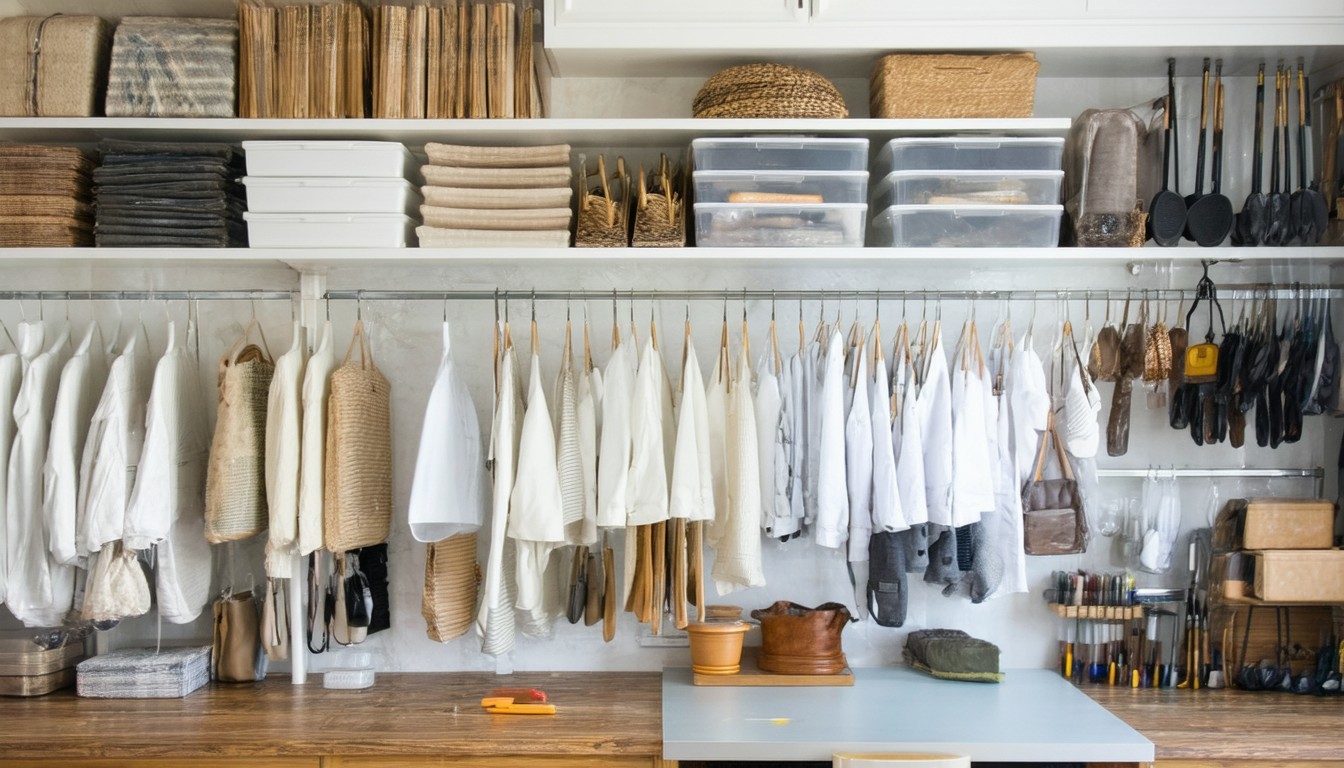

In modern households, clutter isn’t just a minor annoyance—it’s a major source of stress and inefficiency. Studies from the National Association of Professional Organizers indicate that Americans spend significant amounts of time each year searching for misplaced items, often leading to wasted energy and increased frustration. As remote work and busy family schedules grow more common, the importance of maintaining an organized home has never been clearer. Home organization, however, doesn’t require perfection; it’s about crafting purposeful, livable spaces that boost productivity and create a sense of calm.
Setting the Foundation: Assess Your Space and Goals
Effective home organization starts with a candid assessment of your current environment. Before shopping for bins or rearranging furniture, take time to:
- Identify pain points in daily routines (e.g., overflowing entryways, chaotic kitchen counters)
- Pinpoint spaces that contribute most to stress
- Define clear goals such as “create a homework station” or “reclaim closet space for seasonal storage”
Professional organizer Marie Kondo has popularized a framework that begins with visualizing your ideal lifestyle. By clarifying what you want from organized spaces, decisions about what to keep, store, or donate become much clearer.
Common Starting Points
Typical “trouble zones” in households include:
– Entryways and mudrooms, which tend to gather shoes, bags, and mail
– Kitchens, particularly pantries and countertops
– Bedrooms, where closets overflow or laundry piles sneak up
– “Command centers”—the heart of household paperwork, calendars, and keepsakes
Decluttering with Purpose: Proven Strategies
Decluttering is more than simply removing items; it’s about making conscious choices about possessions. According to The Minimalists, reducing clutter can dramatically improve focus and free up both physical and mental space.
The Four-Box Method
One widely recommended technique is the Four-Box Method. As you tackle a room, label four containers: Keep, Donate, Discard, Relocate. This structure prevents indecision and keeps the process on track. For example, when organizing a kitchen, duplicate gadgets may land in the “Donate” box, while rarely-used items could be stored elsewhere.
Mindful Decluttering in Practice
Decluttering works best when broken into focused sessions—aim for one zone at a time. Many organization experts recommend 20–30 minute increments, which prevent fatigue and decision paralysis.
“Small, consistent bursts of decluttering are more effective than occasional marathon sessions,” notes Jane Stoller, professional organizer and author of Organizing for Your Lifestyle. “Building organization into your routine ensures long-term success.”
Smart Storage Solutions: Function Meets Design
Organizing isn’t about buying the latest gadgets—it’s about making storage work for your needs. The best storage harnesses underutilized spaces and adds intuitive systems that make items easy to find, use, and put away.
Storage Best Practices by Room
- Entryways: Install hooks and shelving for keys, bags, and shoes. Slim benches with built-in storage help keep entrances tidy.
- Kitchens: Opt for clear, stackable containers in pantries; use drawer dividers for utensils; lazy Susans prevent lost items in deep cabinets.
- Bedrooms: Under-bed storage bins, vertical shelving, and drawer organizers maximize compact spaces.
- Home Office: Labelled trays, cable management systems, and desktop organizers streamline paperwork and tech clutter.
Real-World Successes
Major retailers have observed surging demand for modular storage and customization. For example, IKEA’s PAX wardrobes and The Container Store’s Elfa systems remain highly popular due to flexibility and ease of installation. Customers frequently highlight how tailored solutions make maintaining order far simpler, especially in small apartments or shared family homes.
Maintenance Routines: Sustaining Long-Term Organization
Establishing a routine is critical to preventing clutter from returning. Daily and weekly habits keep organization manageable.
Key Maintenance Tips
- The One-In-One-Out Rule: For every new item brought home, one is removed or donated.
- Regular Reviews: Schedule monthly or seasonal check-ins for high-traffic areas, especially closets and pantries.
- Family Participation: Share responsibilities by assigning age-appropriate tasks; for instance, children sorting toys or partners managing paperwork.
Technology is playing an increasing role here as well. Apps like Sortly and Tody help families stay accountable and track organization projects with reminders and visual checklists.
Customization: Adapting Solutions to Your Lifestyle
No two households are identical. While frameworks provide guidance, adapting strategies to fit real-life routines makes organization last.
Special Considerations
- Small Spaces: Make use of vertical space, multipurpose furniture, and foldaway options.
- Large Families: Designate zones for each person—individual hooks, personalized bins—so all are accountable.
- Pet Owners: Include dedicated spots for leashes, toys, and pet food containers.
- Hobbyists/Crafters: Invest in labeled boxes or pegboards to quickly access project supplies.
These adjustments not only streamline day-to-day life but also foster a sense of ownership among all household members.
Conclusion: The Lasting Value of an Organized Home
Home organization is not a one-size-fits-all process, nor is it a single weekend task. Approaching the project systematically—starting with assessment, decluttering with intention, creating storage that serves your needs, and maintaining sustainable routines—yields spaces that support productivity and well-being. By focusing on small, consistent habits and customizing solutions to fit your lifestyle, you can achieve a sense of order that lasts far beyond spring cleaning.
FAQs
How do I start organizing if I feel overwhelmed?
Break the process down by focusing on a single room or area. Set a timer for 20–30 minutes and use methods like the Four-Box strategy to create structure.
What should I do with items I can’t decide to keep or toss?
Put those items in a “maybe” box. Store it out of sight for a couple of months; if you don’t miss or need anything inside, you can probably let it go.
How often should I declutter my home?
Aim for quick spot-checks monthly and more thorough reviews seasonally. Maintenance is easier once systems are in place.
Are expensive storage solutions necessary for good organization?
No. Repurposed boxes and simple shelving can be as effective as specialized containers. Focus on using what fits your space and habits.
How can I keep the whole family involved?
Assign age-appropriate tasks and label zones for each person. Involving everyone fosters accountability and makes upkeep manageable.













Leave a comment