
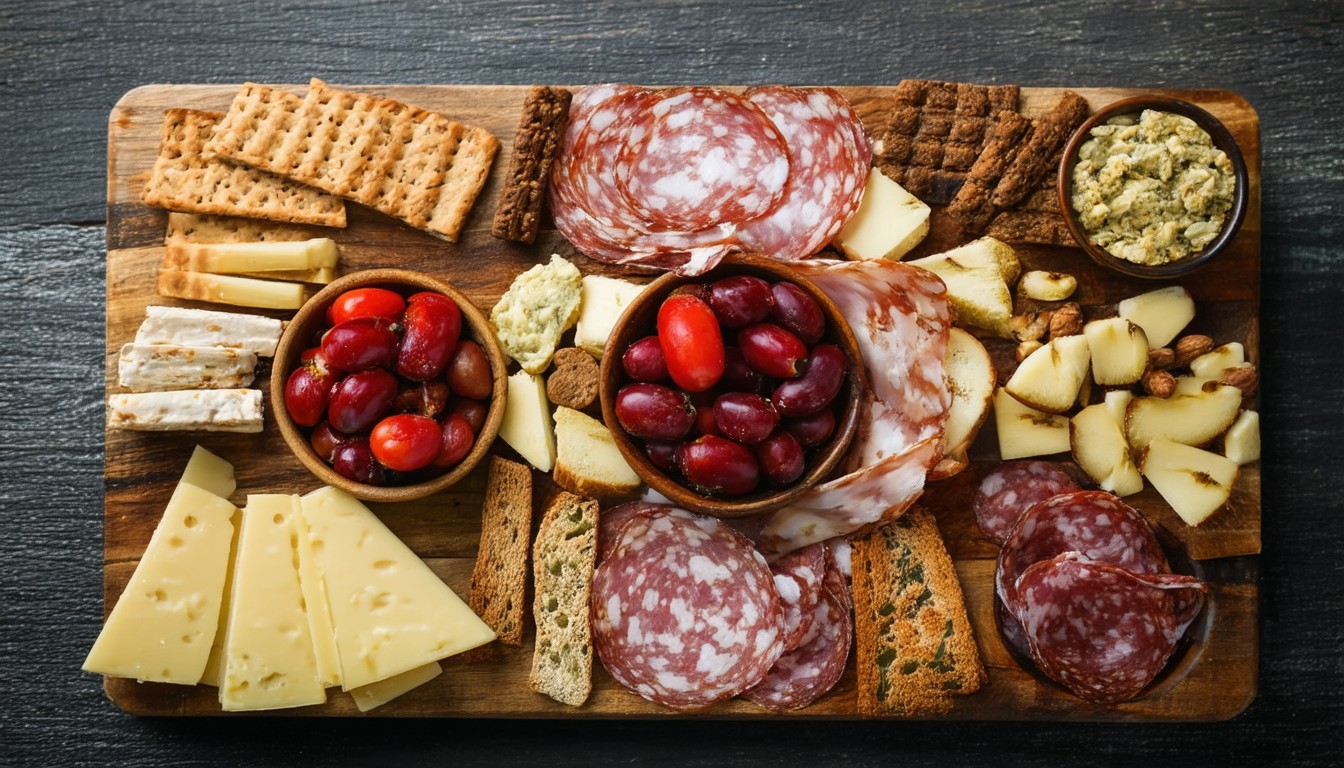

In recent years, the humble charcuterie board has become a social media sensation and a staple at gatherings across the globe. More than just a collection of meats and cheeses, these edible displays showcase culinary creativity and attentive hosting. Whether for a casual brunch, an evening soiree, or holiday celebrations, charcuterie boards offer both visual appeal and customizable flavors—making them an ideal centerpiece for any event.
The Art and Appeal of Charcuterie Boards
Charcuterie, derived from the French term for cured meats, has evolved into an inclusive art form that celebrates not just traditional salumi but also cheeses, fruits, nuts, and specialty accompaniments. According to industry research, demand for artisanal food boards surged notably over the past five years, paralleling trends in gourmet snacking and home entertaining.
“Charcuterie boards represent a welcoming, interactive dining experience,” says culinary stylist Helena Rutherford, who consults for upscale events.
“They invite guests to mingle and taste at their own pace, making any gathering feel both relaxed and refined.”
Well-designed boards cater to a range of tastes, dietary needs, and aesthetics, serving as both conversation starters and practical entertainment solutions.
Elements of a Standout Charcuterie Board
Exceptional charcuterie boards balance flavors, textures, and colors while reflecting the host’s personality or event theme. While there are no set rules, experienced hosts typically consider these foundational elements:
- Cured Meats: Prosciutto, salami, coppa, jamón serrano, or bresaola.
- Cheeses: Soft (brie, chèvre), medium (gouda, havarti), hard (manchego, aged cheddar).
- Crunchy Additions: Toasted baguette slices, crackers, breadsticks, or grissini.
- Fresh & Dried Fruits: Grapes, figs, apricots, apple slices, or dates.
- Savory Extras: Olives, roasted nuts, mustards, or tangy pickles.
- Sweet Enhancements: Honey, fruit preserves, dark chocolate, or candied pecans.
- Garnishes: Fresh herbs, edible flowers, or microgreens for visual flair.
The interplay of salty, savory, sweet, and acidic elements encourages guests to experiment with combinations, ensuring there’s something for everyone.
Seasonal and Themed Charcuterie Board Ideas
Adapting a board to the season or occasion elevates the experience and maximizes available fresh produce. Here are some practical inspiration points:
Spring Brunch Board
Highlight tender spring cheeses like chèvre, ribbons of prosciutto, fresh strawberries, and pea shoots. Add lemon zest-infused honey or herbed crackers for brightness. This option pairs beautifully with sparkling wine or mimosas.
Summer Mediterranean Board
Showcase sun-dried tomatoes, hummus, marinated feta, roasted red peppers, and grilled artichoke hearts alongside slices of soppressata. Watermelon, cucumber, and mint provide cooling contrast, ideal for al fresco dining.
Autumn Harvest Board
Incorporate smoked salami, nutty alpine cheeses, roasted walnuts, crisp apple or pear slices, and fig jam. Consider adding mini pumpkin muffins or a rustic baguette to ground the display in autumnal comfort.
Winter Holiday Board
Feature rich blue cheeses, rosemary-crusted ham, dried cranberries, candied nuts, and dark chocolate pieces. Garnish with sprigs of pine or star anise for a festive touch.
Global Inspirations
For adventurous entertaining, build around international flavors—a Spanish tapas board with manchego and chorizo, or an Italian antipasti spread with mortadella, gorgonzola, and marinated vegetables. Incorporate unique breads and regional spreads for authenticity.
Tips for Effortless Board Assembly and Presentation
Styling a visually stunning board need not require professional experience. Hospitality experts suggest the following workflow:
- Start with Anchors: Place cheeses and small bowls (for olives, spreads, honey) first to ground the layout.
- Layer Meats and Crackers: Gently fold or roll sliced meats for volume, and interweave breads or crackers for easy grabbing.
- Fill in with Color: Distribute fruits, roasted nuts, and pickled elements evenly, prioritizing contrast and accessibility.
- Garnish and Elevate: Sprinkle fresh herbs or edible flowers last, accentuating focal points and drawing the eye.
Investing in a quality wood or slate board can elevate presentation, but many hosts successfully use baking sheets or large platters in a pinch.
Special Diets and Modern Charcuterie Trends
Contemporary boards embrace a wide range of dietary needs, much to the appreciation of today’s diverse guests. Many hosts curate:
- Vegetarian Boards: Roasted vegetables, nut-based cheeses, hummus, seed crackers, and grilled mushrooms.
- Vegan Boards: Aged cashew cheeses, beet hummus, pickled vegetables, and tahini dips.
- Gluten-Free Boards: Gluten-free crispbreads, seed crackers, and naturally gluten-free additions like fruits and olives.
Inclusivity is now mainstream; food stylists regularly design boards that are nut-free, dairy-free, or cater to specific allergies.
Social media platforms—Instagram and TikTok, notably—have further shaped this trend, driving the rise of themed boards: breakfast charcuterie (pancake rolls, mini doughnuts), dessert boards (cookies, fruit, dips), and even “jarcuterie,” individual servings arranged in mason jars for pandemic-friendly gatherings.
Planning and Sourcing: From Grocery Stores to Artisanal Markets
Accessing quality ingredients has never been easier. Most supermarkets today offer a range of imported and domestic cured meats and specialty cheeses. However, supporting local cheese shops, butchers, or farmers markets often leads to superior freshness and unique finds.
When planning, experts recommend budgeting roughly 2–4 ounces of meat and cheese per guest for robust appetizers, adjusting quantities depending on the occasion and the number of sides or courses.
Concluding Thoughts: Charcuterie Boards as the Ultimate Entertainer’s Hack
Charcuterie boards combine artistry, adaptability, and crowd-pleasing flavor in one accessible format. As gatherings evolve—whether large and festive or intimate and casual—themed boards remain a foolproof way to elevate the guest experience. With thoughtful ingredient selection, a nod to special diets, and attention to arrangement, any host can create a memorable edible centerpiece that sparks conversation and delights every palate.
FAQs
What is typically included on a charcuterie board?
A classic charcuterie board offers a mix of cured meats, cheeses, crunchy snacks (like crackers), fruits, nuts, and small additions such as olives, jams, or pickled items. Variety in texture, flavor, and visual color is key.
How far in advance can I assemble a charcuterie board?
Boards can be partially prepped a few hours ahead—arrange meats and cheeses and store them wrapped in the fridge. Add crackers, fresh fruit, and garnishes just before serving to keep everything fresh and crisp.
What are some affordable charcuterie board ideas?
Opt for everyday cheeses, supermarket salamis, seasonal fruit, and value crackers. Use homemade dips or roasted nuts to enhance the board without extra cost.
How do I make a charcuterie board kid-friendly?
Include mild cheeses, sliced deli meats, fruit, crackers, and maybe a few sweet treats like chocolate squares. Avoid strong flavors or spicy foods for younger palates.
How do I accommodate guests with dietary restrictions?
Create separate sections or mini boards with vegan, gluten-free, or nut-free offerings. Label ingredients clearly, and offer a wide variety so everyone can enjoy the spread.
How large should my charcuterie board be for a party?
A good rule is to plan for 2–4 ounces of meat and cheese per guest. Adjust portion sizes depending on whether the board is a starter or the main feature of the event.







Leave a comment