
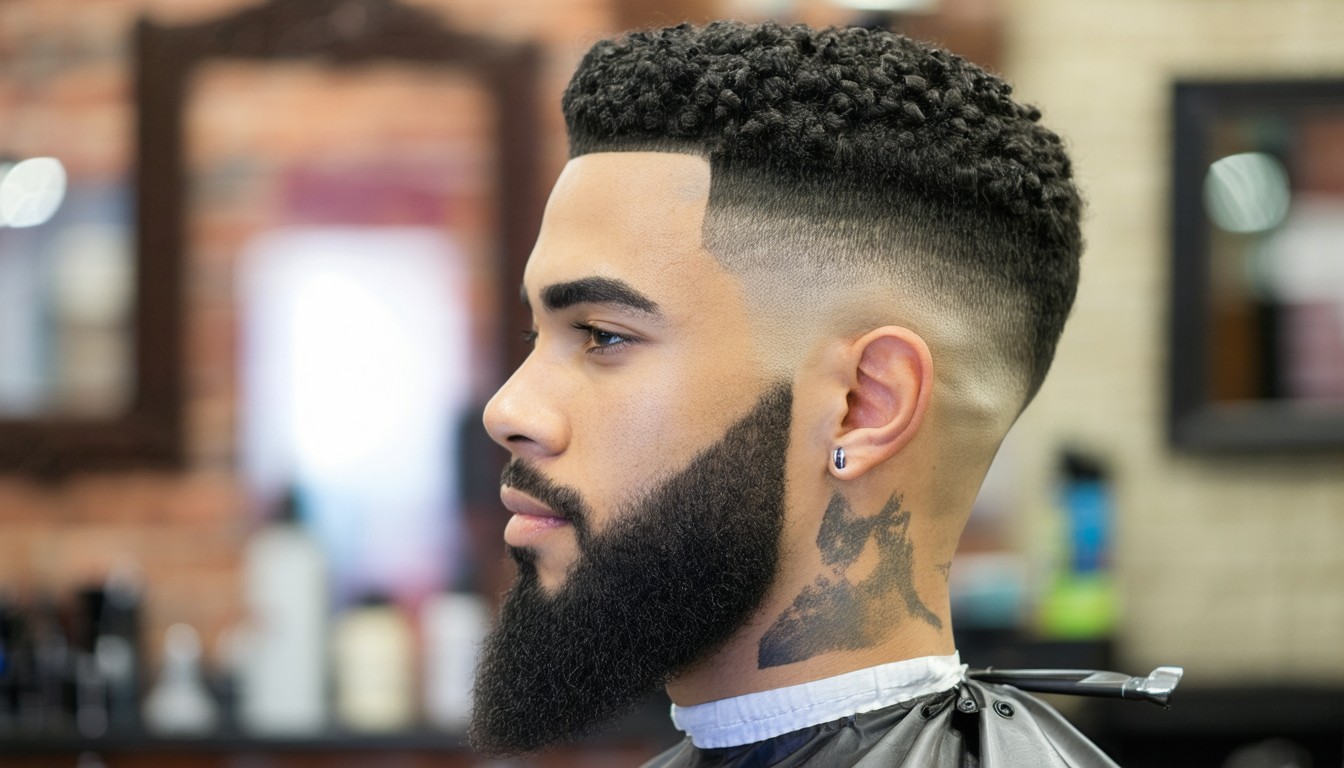

Amidst soaring prices for personal services, the notion of a barbershop haircut that costs a quarter feels almost mythical. Yet not so long ago, this was standard fare at local barbershops across the United States. The phrase evokes not just nostalgia but also questions about value, community, and the changing nature of grooming culture. What made the humble 25-cent haircut such an enduring icon, and what can it teach us about today’s search for affordable, quality grooming?
A Quarter Haircut: Roots in American Tradition
Rewind to the early 20th century—a period when the corner barbershop was a staple in nearly every American town. With industrialization and urbanization in full swing, men’s grooming was democratized by the proliferation of shops charging just 25 cents for a standard haircut. This wasn’t merely a transaction; barbershops served as social hubs, where news was shared and community ties reinforced.
While prices varied by region, most Americans could expect to receive a classic crop, shave, or trim for the price of a newspaper. Historical data suggests that during the Great Depression era, barbers strategically kept their rates affordable, knowing that “a quarter for a cut” would ensure steady foot traffic and customer loyalty, even in lean times.
“Barbershops were the original social network—offering a haircut, a friendly ear, and a sense of belonging, all for the price of a few coins.”
— Dr. Lindsay Moran, cultural historian
The Evolution of Pricing: From Pennies to Premium
The value of a quarter has, of course, changed dramatically over the past century. What cost $0.25 in 1930 translates to roughly $4–5 today when adjusted for inflation. Traditional barbershop haircuts in metropolitan areas now routinely range from $20 to $40, with upscale grooming salons charging much more for specialized services. Even in smaller towns, the days of single-digit pricing are fading fast.
Several factors have influenced this evolution:
– Rising operational costs: Rent, equipment, and labor have all increased.
– Service expansion: Modern shops often offer beard trims, hair styling, and even spa treatments.
– Consumer expectations: Clients today seek personalized experiences, ambiance, and added amenities.
Despite these changes, some legacy barbershops in smaller towns cling to lower prices, sometimes offering $10–15 cuts, especially for seniors or children—though true “quarter cuts” are largely relegated to history.
Why the Quarter Haircut Became a Cultural Icon
The appeal of the 25-cent haircut isn’t merely about frugality; it’s about the intersection of accessibility, trust, and ritual. In mid-century America, working-class men could reliably access grooming without financial strain. Elderly patrons especially recall how barbershops doubled as informal clubs, where local gossip and sports banter were as plentiful as the clippings on the floor.
Several cultural touchstones, including Norman Rockwell paintings and television portrayals like “The Andy Griffith Show,” cemented the quarter haircut’s place in the American imagination. This nostalgia remains potent: many vintage barbershops now use old “25¢ haircut” signage as a marketing motif to evoke authenticity, even though modern pricing has long moved on.
Modern Reinterpretations
While the literal price is obsolete, the “quarter haircut” ethos survives in various ways:
– Barbershop “heritage” brands emphasize old-school techniques and atmosphere.
– Free or heavily discounted haircuts are occasionally offered for community events or customer appreciation days.
– Barber schools and training academies may provide $3–$10 haircuts as part of student instruction—arguably the closest modern equivalent to a truly budget cut.
In certain neighborhoods, especially in cities with a strong working-class tradition, you’ll still find shops prioritizing affordability and quick service above luxury or trend.
The Economics of Affordability: Lessons for Today
The disappearance of the genuine quarter haircut raises important questions about accessibility in modern grooming. With a growing segment of Americans seeking budget-friendly options, chains like Great Clips and Supercuts have thrived by offering standardized services at competitive prices. Simultaneously, mobile apps and digital coupons have introduced new ways to secure discounts, but rarely approaching those legendary price points.
At the community level, churches, shelters, and nonprofits sometimes offer free haircuts to the unhoused or those in need—a charitable echo of the barbershop’s inclusive legacy.
“Affordable grooming isn’t just about price; it’s about dignity. A barbershop—at any cost—should feel welcoming and accessible.”
— Marcus Reed, owner of Reed’s Barbershop, St. Louis
Real-World Example: Student Barber Clinics
Barbering academies sometimes fill the gap by offering dramatically discounted services. Students hone their skills under supervision, giving the public access to haircuts priced as low as $5—a far cry from a quarter, but still well below market rates. These clinics not only serve cost-conscious consumers but also revitalize the tradition of community-oriented, accessible grooming.
Nostalgia With Purpose: What Modern Customers Seek
Beyond price, contemporary clients seek the atmosphere, personal touch, and sense of belonging that vintage barbershops embodied. Independent shops that prioritize conversation, classic tools, and timeless decor can harness this nostalgia in branding and customer experience. Businesses that blend modern efficiencies with old-school values often earn lifelong loyalty.
For younger generations, the story of the quarter haircut is a reminder—sometimes inspiration, sometimes curiosity—about what it means for self-care to be accessible without sacrificing quality or community.
Conclusion: The Enduring Influence of the “Quarter Haircut”
While a barbershop haircut that costs a quarter has vanished from modern price lists, its spirit persists in the pursuit of affordable, authentic grooming. The legacy has shaped expectations around what a barbershop can represent—community, reliability, and inclusion—values that remain as vital as ever. For customers and business owners alike, the story is not only about what was lost, but what can still be reclaimed: a place to belong, at a price that feels fair.
FAQs
Why did barbershop haircuts used to cost just a quarter?
During the early- to mid-20th century, the cost of living was much lower, and a 25-cent price made grooming accessible to most men. Shops prioritized volume and community connections over high margins.
Are there any places you can still find a haircut for a quarter?
Authentic quarter haircuts are virtually extinct. However, barbering schools may offer haircuts for a few dollars, which is the closest modern equivalent.
How much does a typical barbershop haircut cost today?
Prices vary by region and shop—most standard haircuts range from $20 to $40 in U.S. cities, with lower prices sometimes available in rural or student-run settings.
What made the quarter haircut culturally significant?
Beyond affordability, these barbershops were social centers, playing a critical role in their communities and exemplifying values of accessibility and connection.
How do barbershops honor this tradition today?
Many shops reference the “25¢ haircut” era through decor, branding, or customer service, while some offer special discounts or community-based initiatives to uphold affordability.







Leave a comment