
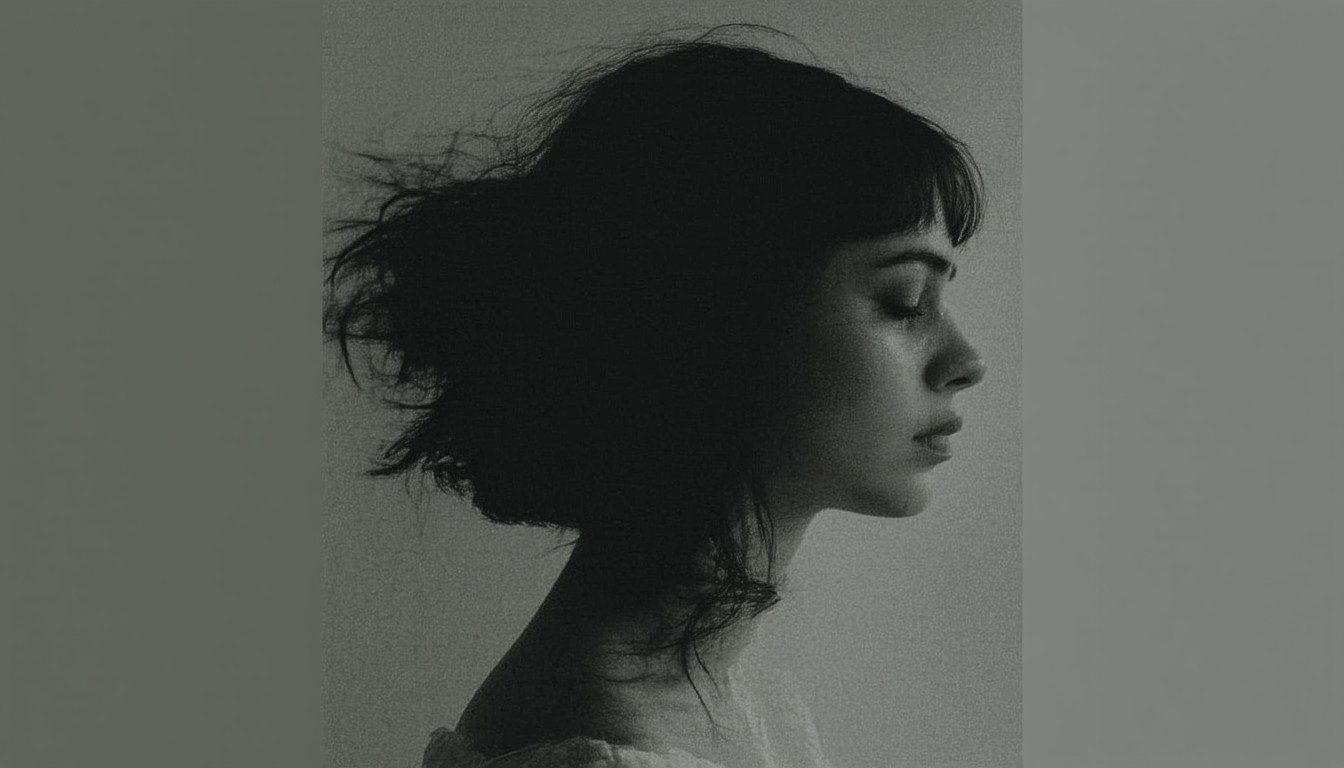

Released in November 2022, “Her Loss”—the collaborative album between Drake and 21 Savage—immediately drew attention not only for its music, but also for its striking and unconventional cover art. Featuring an evocative portrait of Quiana Yasmina, a model with bejeweled eyelashes, coyly glancing at the camera, the “Her Loss” album cover rapidly sparked debate and intrigue across music and art communities. More than just a promotional asset, the artwork became a cultural artifact, reflecting the album’s blend of bravado, vulnerability, and visual storytelling. Dissecting its meaning, art style, and the broader reaction helps illuminate why album covers remain an essential part of music’s narrative power.
The Story Behind the “Her Loss” Album Cover
The Creators and the Unexpected Face
Unlike many contemporary rap releases, where the artists themselves appear front and center, the “Her Loss” cover features Quiana Yasmina (aka Suki Baby), a young model and nail technician from Houston. The photograph was originally shot by Paris Aden, a respected music producer and photographer known for edgy, unguarded imagery.
This choice was anything but conventional. In an era dominated by hyper-stylized celebrity branding, Drake and 21 Savage’s decision to spotlight an unknown face signaled a departure from expectation—a move reminiscent of classic album covers, where intrigue and aesthetic often trumped overt self-promotion.
The Backstory: A Viral Moment
The image reportedly arose from a casual photoshoot for Suki Baby’s own portfolio, which was then selected by the rappers’ creative teams after circulating on social media. The artists themselves did not appear in the photo, nor was it initially conceived as album artwork.
This lends the image an organic, almost documentary quality which contrasts with the meticulously curated covers of many major-label releases. The story underscores a growing trend—artists leveraging authentic, found imagery to disrupt expectations and stimulate public fascination.
“The power of the ‘Her Loss’ cover lies in its ability to spark conversation and curiosity. It captures a mood that’s elusive and compelling—a perfect visual echo of the music’s layered themes,” notes art and culture critic Dana Williams.
Art Style and Visual Elements
Analyzing the Aesthetic
The cover’s visual style is bold and immediate. Suki Baby’s face, illuminated by harsh flash, stands out against a muted background. Her rhinestone-studded eyelashes and subtle swagger create an image simultaneously playful, tough, and enigmatic.
Some hallmarks of the composition include:
- Candid Framing: The shot is tightly cropped, imbuing the image with a sense of intimacy and rawness.
- Lo-fi Aesthetics: Visible grain and flash evoke visual signatures of 1990s and early-2000s hip-hop culture, channeling the DIY ethos of early mixtapes and street photography.
- Minimal Typography: The absence of ornate text or graphic overlays keeps the focus squarely on the image itself—a stylistic nod to classic albums like Nas’s “Illmatic” or The Notorious B.I.G.’s “Ready to Die.”
Influences and References
The cover art’s blend of glamour and grit has drawn comparisons to the portraits in Magnum photography, as well as the intimate, street-level energy of Larry Clark or Nan Goldin. By favoring authenticity over polish, the creators echo a wave of contemporary rap covers—think Tyler, The Creator’s “IGOR” or Playboi Carti’s “Die Lit”—that wield striking, off-center portraits as an extension of the music’s identity.
The Diamond Eyelashes: Symbolism and Interpretation
A focal point of the image, Suki Baby’s diamond-encrusted eyelashes become a symbol open to interpretation. Are they a nod to both extravagance and artifice, reflecting hip-hop’s continual play between reality and performance? For some, they signal self-expression and the blurring of “real” versus “constructed” personas—a running theme in Drake and 21 Savage’s lyrics.
Meaning and Cultural Resonance
Reflection of Themes in the Album
Beyond striking visuals, the “Her Loss” album cover operates as a mirror to the music’s narrative: it’s vulnerable yet defiant; opulent yet understated. The photo’s unapologetic gaze—accented by subtle bravado—reflects much of the lyrical content, which sees both rappers alternating between intimacy and swagger.
Social Media and the Meme Economy
Within hours of its reveal, the cover ignited discussions, memes, and parodies online. A significant share of TikTok and Instagram users repurposed the bejeweled eyelash look, some recreating Suki Baby’s expression as an internet trend. This virality amplified the album’s rollout and positioned the artwork as a standalone phenomenon—a tactic increasingly vital in today’s attention economy.
Representation and Diversity
Choosing a young Black woman—who was an unfamiliar face to mainstream audiences—helped challenge expectations around beauty standards, representation, and celebrity in album art. Industry observers have noted that covers like “Her Loss” expand the narrative about whose stories get told, and who gets to be the visual face of success and heartbreak in contemporary music.
The Role of Album Covers in the Streaming Age
Shifts in Artistic Importance
Album covers, once the domain of physical LPs and CD booklets, have found renewed importance in the digital era. On platforms like Spotify or Apple Music, artwork serves as the gateway to a listener’s experience, often making an immediate impression before a single note is heard.
Yet, as music consumption becomes increasingly visual—think lyric videos, TikTok snippets, and branded AR filters—covers like “Her Loss” demonstrate that powerful, mysterious imagery still wields enormous cultural influence.
Modern Comparisons and Lasting Impact
In recent years, more artists are leveraging evocative album art to drive engagement, with covers becoming as shareable as the songs themselves. Kendrick Lamar’s “DAMN.” and Beyoncé’s “Lemonade” both leveraged minimalist yet powerful images to create lasting brand imprints. The ongoing discussion surrounding “Her Loss” shows that, far from being relics, album covers are evolving—serving as both artistic statement and viral marketing tool.
Conclusion: The Enduring Power of “Her Loss” Album Cover
The “Her Loss” album cover remains a case study in how modern music visuals can transcend their promotional function to spark dialogue, challenge norms, and reflect the complex emotional world of the record it represents. By blending understated presentation with layered symbolism, Drake and 21 Savage’s choice of artwork underscores the continued vitality of album covers in the digital age. For artists and audiences alike, it’s a reminder that a single image can catalyze cultural conversation as powerfully as any lyric.
FAQs
Why did Drake and 21 Savage choose that specific image for the “Her Loss” album cover?
They wanted an authentic, evocative photo that felt both unconventional and compelling. The chosen image, featuring Quiana Yasmina, captured the blend of realness and style that aligns with the album’s themes.
Who is the woman featured on the “Her Loss” album cover?
The cover displays Quiana Yasmina, also known as Suki Baby, a model and nail artist from Houston. She was not widely known before the album’s release.
What does the diamond eyelash detail symbolize on the cover?
The bejeweled eyelashes can be interpreted as a sign of extravagance, self-expression, and the blurring lines between authenticity and appearance in hip-hop culture.
How did the public react to the album cover?
The cover quickly went viral, sparking memes, fan recreations, and broad social media discussion. Its unexpected style generated both intrigue and debate about representation and artistic intention.
Do album covers still matter in the streaming age?
Absolutely—album artwork is now essential in digital music, serving as a key part of branding, shareable visuals, and storytelling even when physical releases are less common.
Has the “Her Loss” album cover influenced other artists or visual trends?
While direct influence can be hard to quantify, its viral success and celebration of candid portraiture have inspired similar album art choices focused on raw, striking imagery and lesser-known models.







Leave a comment