
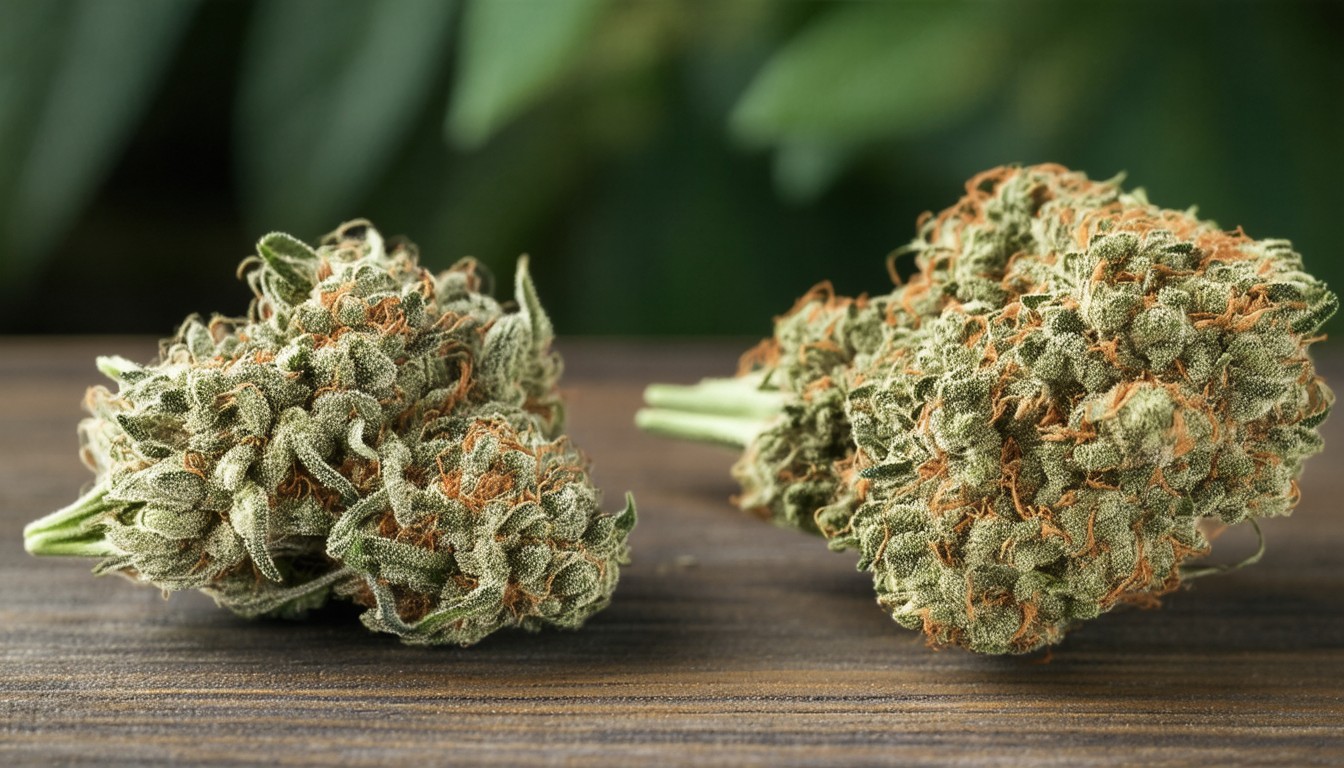

In the rapidly evolving landscape of cannabis research and consumption, few debates are as central—or as misunderstood—as the one between THCA (tetrahydrocannabinolic acid) and THC (delta-9-tetrahydrocannabinol). For consumers, medical patients, and industry professionals, clarifying the unique roles, benefits, and effects of these related yet distinct cannabinoids is more than academic. As cannabis legality spreads and new products hit the shelves, recognizing how THCA and THC interact with the human body can lead to informed choices—and potentially better outcomes.
What Are THCA and THC? Chemical Characteristics and Origins
THCA and THC share a close chemical relationship, but their effects and uses can be dramatically different.
The Nature of THCA: The Raw Precursor
THCA is the non-psychoactive precursor to THC found in raw and live cannabis plants. Unlike THC, THCA cannot trigger the famed “high” commonly associated with marijuana consumption. Structurally, THCA includes a carboxyl group, which prevents it from easily binding to cannabinoid receptors in the human brain.
- THCA is abundant in fresh cannabis, particularly in high-potency strains.
- When exposed to heat (through smoking, vaping, or cooking), THCA undergoes decarboxylation—a chemical reaction that removes its carboxyl group—transforming it into THC.
Decarboxylation: The Path to Psychoactivity
The process of decarboxylation is key. This is why raw cannabis juice, for example, does not produce psychoactive effects, while baked edibles and dried flower do:
“Decarboxylation essentially ‘activates’ cannabinoids like THC, converting them from their raw forms such as THCA, and unlocking their psychoactive and medicinal potential.”
— Dr. Ethan Russo, neurologist and cannabis researcher
By this mechanism, temperature, time, and technique directly impact the cannabinoid profile of cannabis products—making the distinction between THCA and THC far more than just a technicality.
Comparing the Effects: Psychoactivity, Potential Benefits, and Risks
THCA and THC interact with the endocannabinoid system in different ways, leading to contrasting experiences and therapeutic implications.
THC: The Familiar Euphoria and Beyond
THC is renowned for its psychoactive effects. Once consumed and decarboxylated, THC binds readily to CB1 receptors in the brain, resulting in the euphoric “high” sought by recreational users.
The effects of THC can include:
– Mood elevation and altered perception
– Increased appetite (“the munchies”)
– Relaxation and creative thinking
Medically, THC has been studied for potential benefits such as:
– Pain and nausea reduction
– Appetite stimulation (especially relevant for chemotherapy or HIV/AIDS patients)
– Sleep support
However, THC’s psychoactive qualities also carry risks for some individuals, including short-term memory impairment, anxiety, or paranoia—especially at high doses or among susceptible populations.
THCA: Non-Intoxicating Potential
In contrast, THCA does not cause intoxication. Emerging research suggests that THCA might offer its own array of benefits:
- Anti-inflammatory properties: Preliminary cell and animal studies hint at THCA’s potential in managing inflammation-related conditions.
- Neuroprotection: Early data suggests possible protective effects on nerve cells, sparking interest for diseases like Parkinson’s.
- Nausea suppression: Some evidence points toward an antiemetic (anti-nausea) effect, distinct from that of THC.
It’s important to note that most THCA research is still in early stages, often limited to preclinical models. Human trials remain scarce, so while the promise is real, definitive conclusions are not yet possible.
Legal Considerations: Regulatory Status and Consumer Implications
Cannabis laws are changing rapidly, but there are critical differences in how THCA and THC are regulated in many regions.
Legal Status of THC
THC remains classified as a controlled substance in many countries due to its psychoactive properties. While legalization is spreading, especially for medical use, it is still restricted or banned in several U.S. states and internationally.
THCA: An Emerging Grey Area
Because THCA is non-psychoactive, it often occupies a legal loophole. In some U.S. jurisdictions, products containing high levels of THCA and below-threshold levels of “active” THC can be sold more freely, even online.
However, authorities tend to view THCA with increasing scrutiny because it readily converts to THC via heating. As such, consumers are advised to stay informed on evolving regulations and consult local laws before purchasing or transporting high-THCA cannabis.
“Cannabis laws are not only complex, but they are rapidly in flux, making it essential for patients, providers, and businesses to continually verify what is legal in their region.”
— Amanda Reiman, PhD, cannabis policy researcher
Consumption Methods: Maximizing or Minimizing Effects
How one consumes cannabis determines the balance of THCA and THC in any given dose.
Raw Consumption: Preserving THCA
- Juicing or blending raw cannabis leaves: Maximizes THCA while avoiding psychoactive effects.
- Smoothies and tinctures (non-heated): Can deliver THCA without significant THC conversion.
Traditional Methods: Activating THC
- Smoking and vaping: Rapidly decarboxylates THCA, providing a prompt THC effect.
- Cooking (edibles, baked goods): Converts THCA to THC over time and heat, resulting in a potent psychoactive experience.
Emerging Options and Product Innovation
With the growth of cannabis markets, brands are developing specialty products like THCA tinctures, raw cannabis capsules, and more. Consumers seeking non-intoxicating options, or those interested in novel therapeutic approaches, are driving a wave of innovation across dispensaries and online retailers.
Key Takeaways: Finding the Right Cannabinoid for Your Needs
Both THCA and THC play vital roles in cannabis science and culture, but their differences matter:
- THC delivers the classic cannabis high and offers well-studied medicinal effects—though psychoactivity can bring unwanted side effects.
- THCA is non-intoxicating and exhibits potential for a broad range of health benefits, but research in humans is ongoing.
- Legal status and access vary rapidly; staying current with evolving regulations is critical.
- Consumption method directly shapes the balance of THCA and THC, impacting both effect and legality.
Informed decisions rely on understanding your own goals (therapeutic relief vs. recreational experience) and staying updated on both the science and the law. As research and regulations progress, the cannabis landscape is poised for further change.
FAQs
What is the difference between THCA and THC in terms of effects?
THC produces psychoactive effects, commonly described as a “high,” while THCA does not. THCA may have anti-inflammatory and neuroprotective properties but does not alter your mental state.
Can you get high from THCA?
No, THCA is non-intoxicating in its raw form. Only when it is exposed to heat and converted to THC does it become psychoactive.
Is THCA legal to buy and possess?
The legality of THCA varies by location and regulations are quickly evolving. In some areas, products high in THCA are technically legal, but because THCA converts to THC, buyers should check their local laws closely.
Does THCA have any medical benefits?
Preliminary studies suggest that THCA may have therapeutic potential for inflammatory conditions, nausea, and neuroprotection, but more research—especially human trials—is required.
How can you consume THCA without converting it to THC?
Consuming raw cannabis products, such as fresh-pressed juice or non-heated tinctures, can deliver THCA without causing psychoactive effects associated with THC.
Are there side effects to THCA?
While THCA appears to be generally well-tolerated, comprehensive studies on its safety are limited. Commonly reported effects are rare and mild, but consult a medical professional before use.







Leave a comment