
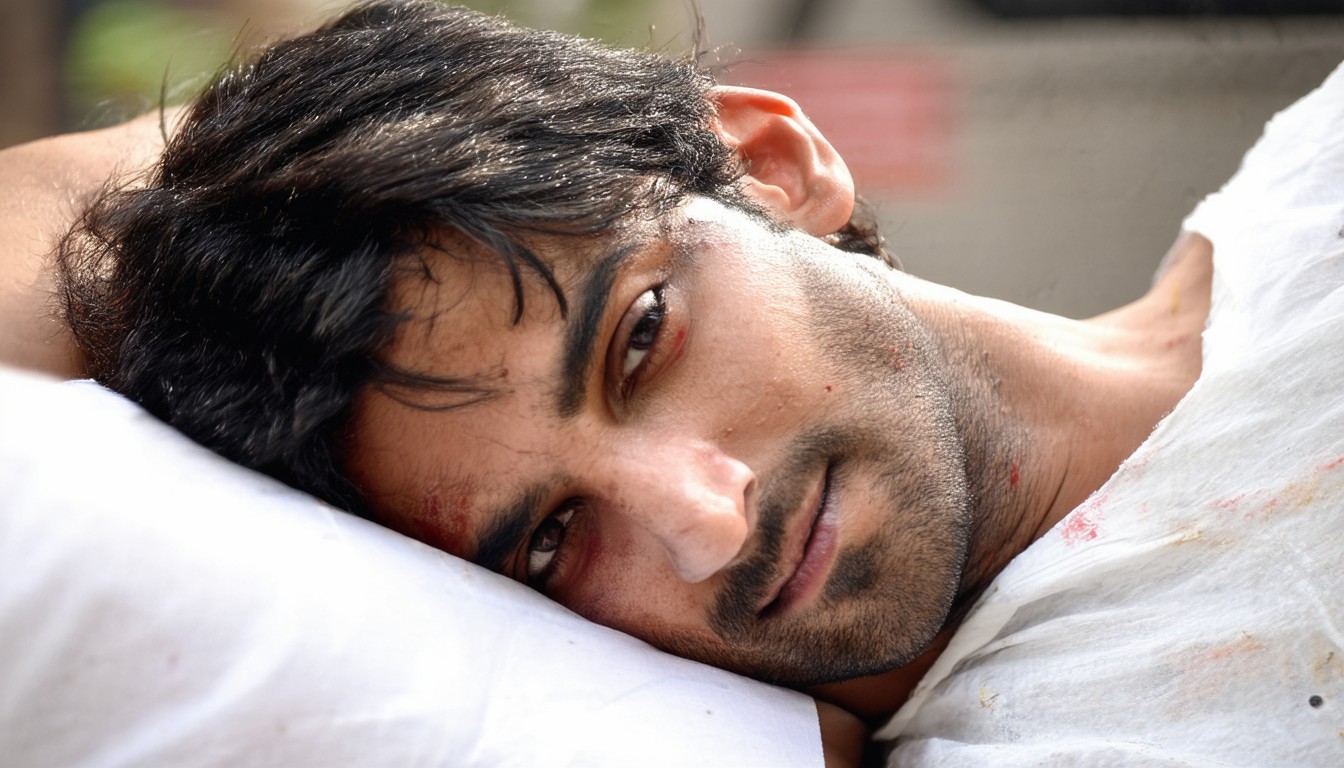

On June 14, 2020, India awoke to the shocking news of Bollywood actor Sushant Singh Rajput’s sudden demise. Found dead in his Mumbai apartment at just 34, the star’s loss triggered a wave of grief across the nation and the global diaspora. Quickly, the tragedy took on lives of its own: allegations of foul play, impassioned demands for justice, and a frenzied social media discourse that continues even years later.
For many, the spontaneous spread of “Sushant Singh Rajput death photos” marked a turning point in how internet culture intersects with tragedy. Grieving fans, conspiracy theorists, and opportunistic outlets all converged—feeding a cycle of speculation and misinformation.
The gravity of this event extends beyond celebrity or scandal; it’s an entry point into broader conversations about media ethics, privacy, and collective mourning in the digital age.
Sensitive Dissemination: The Phenomenon of Death Photos in the Digital Age
Why Images Go Viral
In the immediate aftermath of Rajput’s passing, several images purported to be from the scene of his death surfaced on WhatsApp, Twitter, and Instagram. Within hours, they went viral—shared not only by news media but also by individuals on closed group chats and public forums. This rapid and widespread circulation highlights a recurring phenomenon: the obsessive search for “unseen images” following high-profile deaths.
Such trends are not unique to Bollywood. Globally, the deaths of public figures—from Princess Diana to Kobe Bryant—have demonstrated society’s complex relationship with grief, curiosity, and prurient interest.
Unethical Sharing and Legal Implications
Indian law, under statutes governing privacy and cybercrimes, generally prohibits the sharing of graphic photographs from crime or death scenes, especially before official investigations are complete. Nevertheless, the enforcement often lags behind the rapid pace of digital proliferation.
“The reckless spread of sensitive images isn’t just disrespectful to the deceased and their families—it can actively hamper ongoing investigations and retraumatize loved ones,” says a senior Mumbai police official familiar with the Rajput case.
Families and supporters of Rajput pleaded for compassion and restraint. Prominent voices, including Bollywood stars, urged audiences to consider the dignity of the deceased. Yet, the lines between journalism, public interest, and sensationalism remained stubbornly blurred.
Media, Public, and the Ethics of Coverage
How Media Responded to Public Demand
Facing overwhelming audience interest, mainstream news organizations walked a tightrope. Some published only verified information, blurring or withholding images out of respect. Others, lured by the promise of record-breaking web traffic, skirted ethical boundaries.
Analysis of digital trends post-June 2020 indicates a notable surge in searches for “Sushant Singh Rajput death photos,” along with related terms such as “unseen Sushant Singh images” and “Sushant last moments.” Websites capitalized on this, with certain pages receiving millions of hits in a short span.
Responsible Reporting: Guidelines and Critique
Reputable outlets like The Hindu and NDTV referenced the existence of images but refrained from publishing graphic content. Numerous digital-first portals, in contrast, trafficked in sensational headlines and questionable visuals. Watchdog groups, including the Press Council of India, later criticized such practices as a breach of journalistic standards and a violation of both privacy and human decency.
Social media platforms faced similar scrutiny. While Twitter and Facebook attempted to remove particularly graphic items, enforcement was inconsistent—highlighting the broader challenge of regulating trauma content online.
Societal Fallout: Grieving, Conspiracy, and the Quest for Closure
The Psychology of Mourning in the Age of Virality
For many, viewing even censored images became a stand-in for confrontation with loss and a desire for “truth.” The visual evidence seemed, to some, to promise closure or clarity. But psychologists warn that consuming traumatic content can have the opposite effect, amplifying distress and fueling cycles of speculation.
Unfortunately, the pursuit of unseen Sushant Singh Rajput death photos also propelled conspiracy theories. Social media influencers and amateur truth-seekers pored over every pixel, drawing dubious conclusions that occasionally seeped into mainstream debate. This digital echo chamber spilled into real-world events, encouraging protests, legal petitions, and an extended CBI (Central Bureau of Investigation) inquiry.
Family Appeals and Official Statements
Rajput’s family, through official statements, repeatedly implored the public and media to stop sharing sensitive visuals. Legal actions were initiated against websites and social handles that refused to take down such content.
A representative close to the family summarized the situation:
“Respect in grief is not just personal—it’s cultural. Viral images have crossed the boundaries of empathy, turning a tragedy into a spectacle and reopening wounds that may never fully heal.”
Ongoing Updates: Investigations, Regulations, and Cultural Shift
Current Status of the Sushant Singh Rajput Death Case
After initial reports deemed it a suicide, Rajput’s death became the subject of multiple, sometimes competing, investigations. Police, central agencies, and forensic experts have analyzed physical evidence—including digital data, witness statements, and, indirectly, the controversial images in question.
To date, agencies have provided no conclusive evidence of foul play. Yet, the continued search for “unseen images”—and the content ecosystem catering to it—shows little sign of abating.
Regulatory and Legislative Response
The Sushant Singh Rajput case has spurred conversations around the need for stronger privacy laws and ethical content guidelines in India. Proposed updates to the Information Technology Act and increased scrutiny of digital platforms are part of an evolving debate about balancing transparency and dignity in the internet era.
Prospects for Change
While public appetite for authenticity and behind-the-scenes details remains strong, there is a growing consensus—at least among policy makers and editors—that certain boundaries should not be crossed. The legacy of this tragedy may well be a more empathetic approach to reporting death, especially where public figures are concerned.
Conclusion: Balancing Truth, Privacy, and Empathy
The wave of interest surrounding Sushant Singh Rajput’s death photos reflects larger societal shifts—from how we grieve in public to the ethical dilemmas that digital culture introduces. While transparency and truth-telling are pillars of journalism, they should not come at the expense of basic human decency.
As this tragic story continues to evolve, it becomes ever more vital to foster environments—online and offline—where truth coexists with respect for privacy. Responsible consumption and sharing of information are not just legal or professional imperatives but are central to how societies process loss with dignity.
FAQs
What are the legal consequences of sharing Sushant Singh Rajput death photos?
Disseminating graphic images from a crime or death scene can violate privacy and digital security laws in India, potentially leading to legal prosecution and fines, particularly if shared before an investigation concludes.
Why is there continued interest in Sushant Singh Rajput’s death images?
Human curiosity, celebrity culture, and the ongoing debates around the circumstances of his death all contribute to enduring public fascination, further amplified by social media trends and conspiracy theories.
How did Sushant’s family respond to the sharing of sensitive images?
Rajput’s family issued multiple appeals urging media, websites, and the public to stop sharing such content, emphasizing the need for dignity and privacy during their period of mourning.
Did any mainstream media publish the actual death photos?
Most reputable news outlets refrained from sharing graphic images, instead opting for respectful and verified coverage. However, a few online platforms and social media accounts did circulate such images, sparking widespread criticism.
What measures are in place to regulate sensitive content online in India?
Existing laws under the Information Technology Act provide mechanisms to address privacy invasions and harmful content, but enforcement remains inconsistent. Ongoing discussions point toward tightening these regulations for better protection.
How can the public approach coverage of high-profile deaths more responsibly?
By verifying information, avoiding the spread of graphic or unconfirmed visuals, and considering the emotional impact on families and society, individuals can contribute to more ethical and compassionate public discourse.







Leave a comment